
PHA Packaging Solutions: The Future of Biodegradable Packaging
Pure Form Solution provides innovative packaging alternatives using PHA (polyhydroxyalkanoates), a family of bio-based polymers produced by microorganisms.
Our PHA packaging solutions are designed to help businesses explore alternatives to conventional petroleum-based plastics while supporting their sustainability objectives.
From food service products and beverage packaging to bottles, utensils, straws and specialty containers, discover how PHA materials can support a more responsible approach to packaging.
What Is PHA?
PHA, short for polyhydroxyalkanoates, is a family of biopolymers. Microorganisms produce it inside their cells as an energy reserve, much as people store fat.
For packaging, bacteria are fed a renewable feedstock such as canola oil. The PHA is then extracted, purified and compounded into resin that can be molded into items such as straws, utensils, cups, containers and bottles.
Conventional plastics are made from petroleum or natural gas and can persist for a very long time. PHA is made by fermentation, and certified PHA products are designed to be consumed by microorganisms under defined conditions. This is why more businesses are evaluating PHA as an alternative.
Biodegradation is not automatic or universal. It depends on the formulation, product design and conditions, which is why product-specific testing and certification matter. Read our guide to PHA bioplastics for more.
PHA vs PLA vs Conventional Plastic
Not every PHA or PLA product behaves the same. Actual performance depends on formulation, product design, testing conditions and the applicable certification.
| Material | Material source | Typical applications | Performance considerations | End-of-life characteristics | Applicable certifications |
|---|---|---|---|---|---|
| PHA (polyhydroxyalkanoates) | Produced by microorganisms fermenting renewable feedstocks such as plant oil | Straws, utensils, cups, containers, bottles | Plastic-like feel; performance depends on formulation and product design | Certain certified products biodegrade in industrial and home compost, soil or marine settings under test conditions | TÜV Austria OK Compost, OK Biodegradable and OK Biobased marks, product by product |
| PLA (polylactic acid) | Plant sugars from crops such as corn or sugarcane, polymerized | Clear clamshells, cold cups, bottles | Rigid and clear; lower heat tolerance than many plastics | Typically designed for industrial composting, which needs sustained high heat | Commonly OK Compost Industrial and OK Biobased |
| Conventional plastic (PE, PP, PET, PS) | Petroleum or natural gas | Nearly all single-use packaging today | Well established, durable and low cost | Persists in the environment and fragments into microplastics | Not applicable to compostability |
PHA Packaging Applications

PHA Straws
Drink straws for restaurants, hotels, airlines and events.
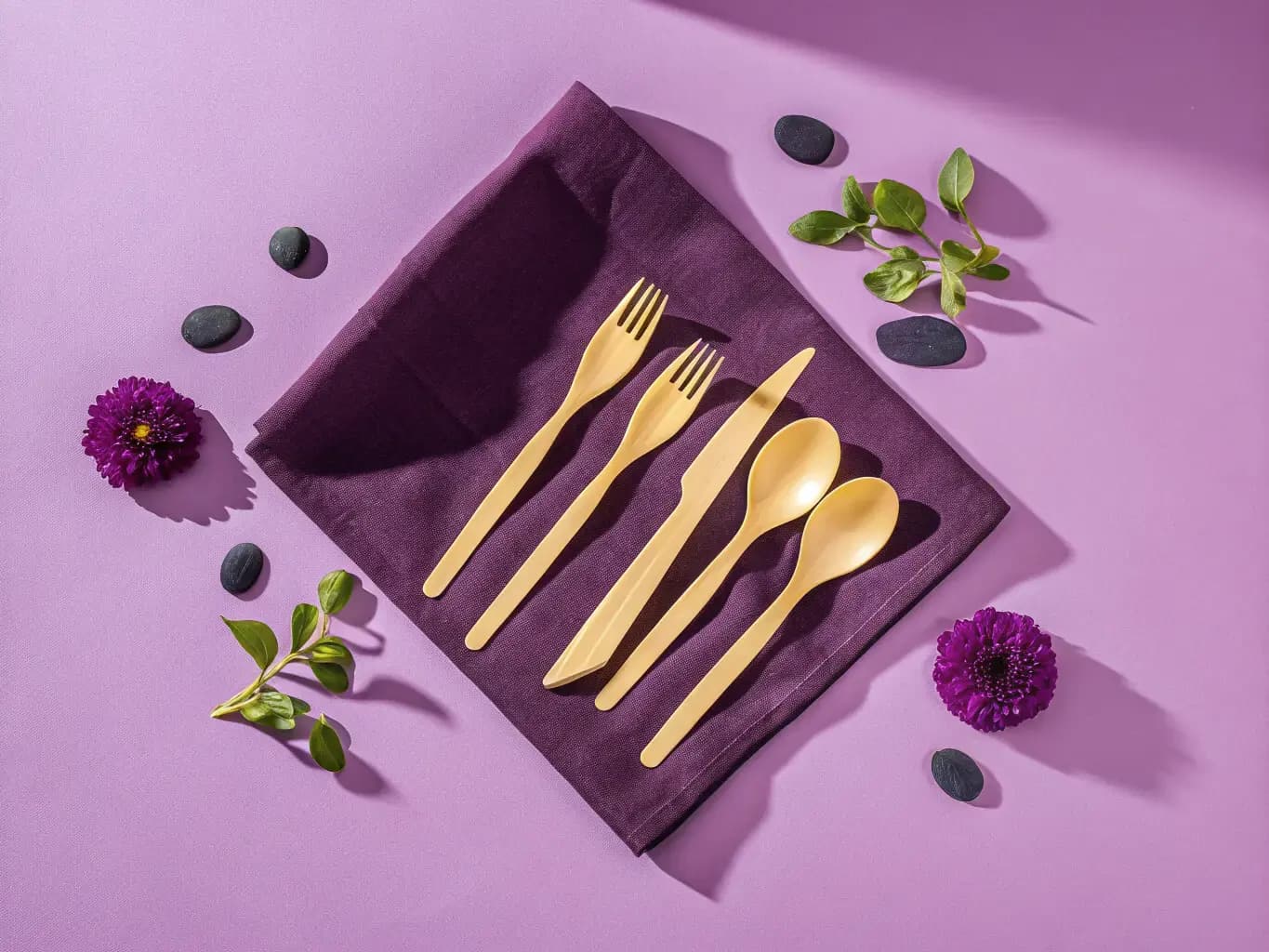
PHA Utensils
Forks, spoons and knives for food service.
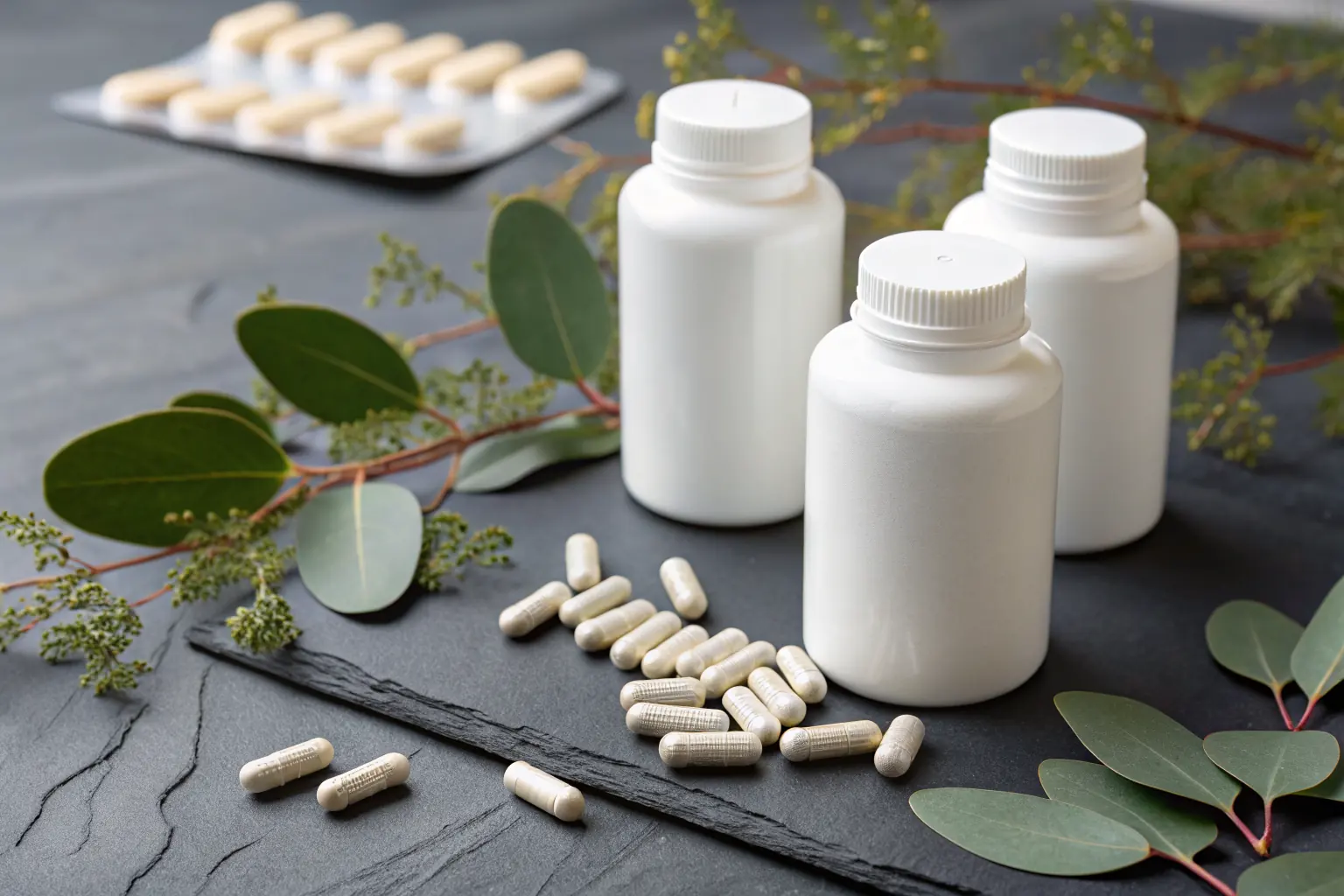
PHA Bottles
Packer bottles for supplements and nutraceuticals.
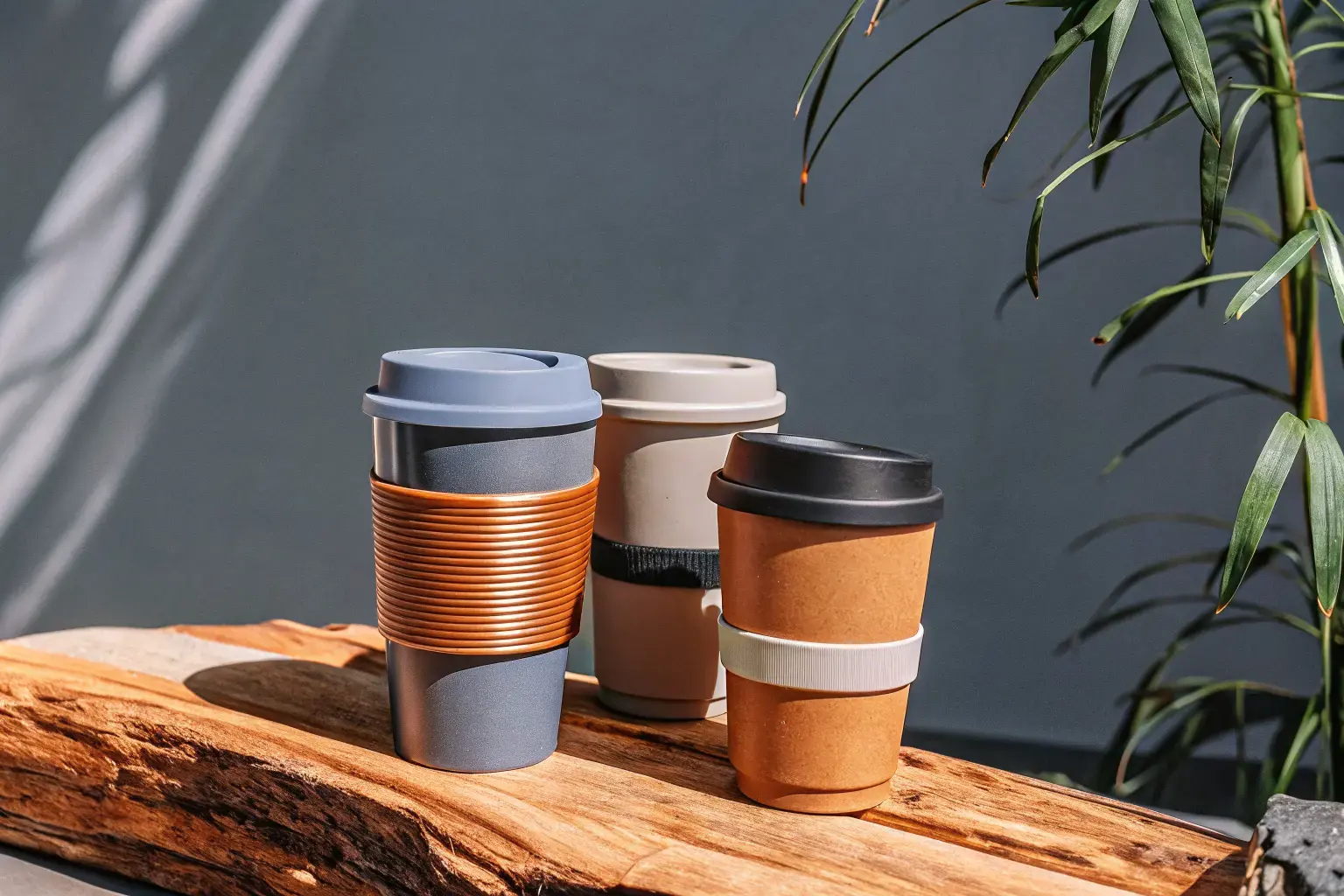
PHA Cups and Lids
Cups and lids for hot and cold service.
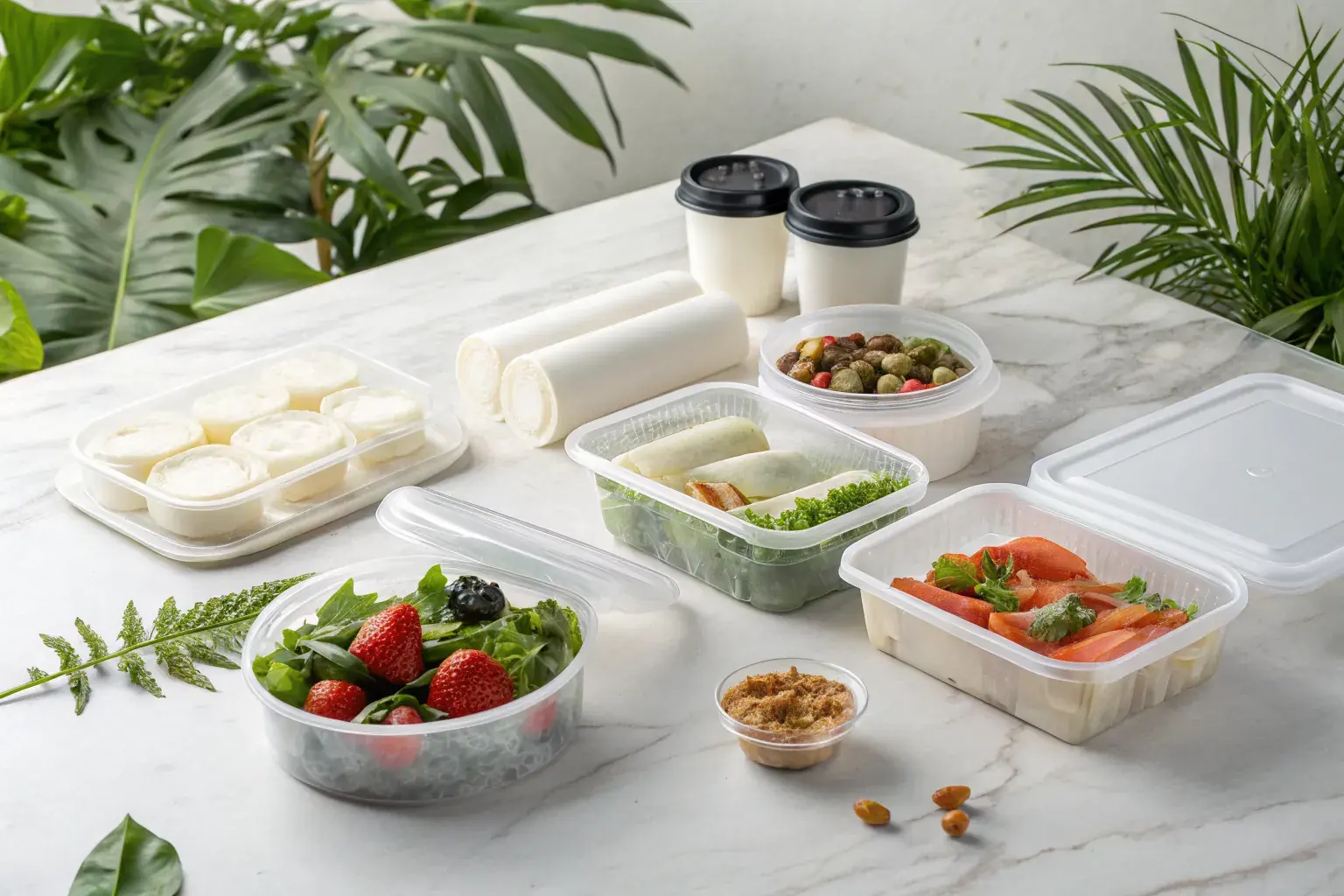
Food Packaging
Containers, meat trays, milk and juice jugs and more.
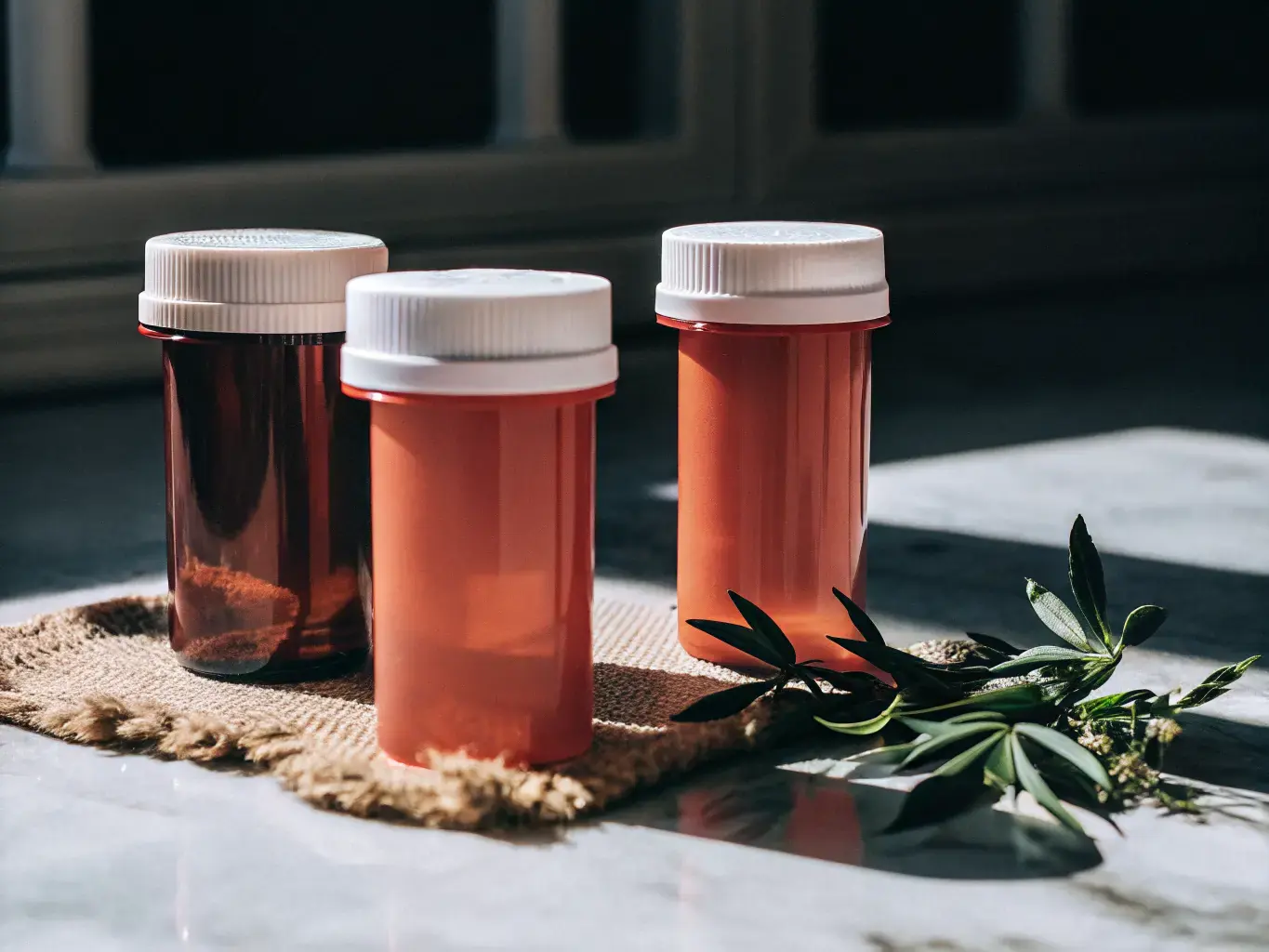
Pharmaceutical Packaging
Pill bottles for pharmacies and supplement brands.
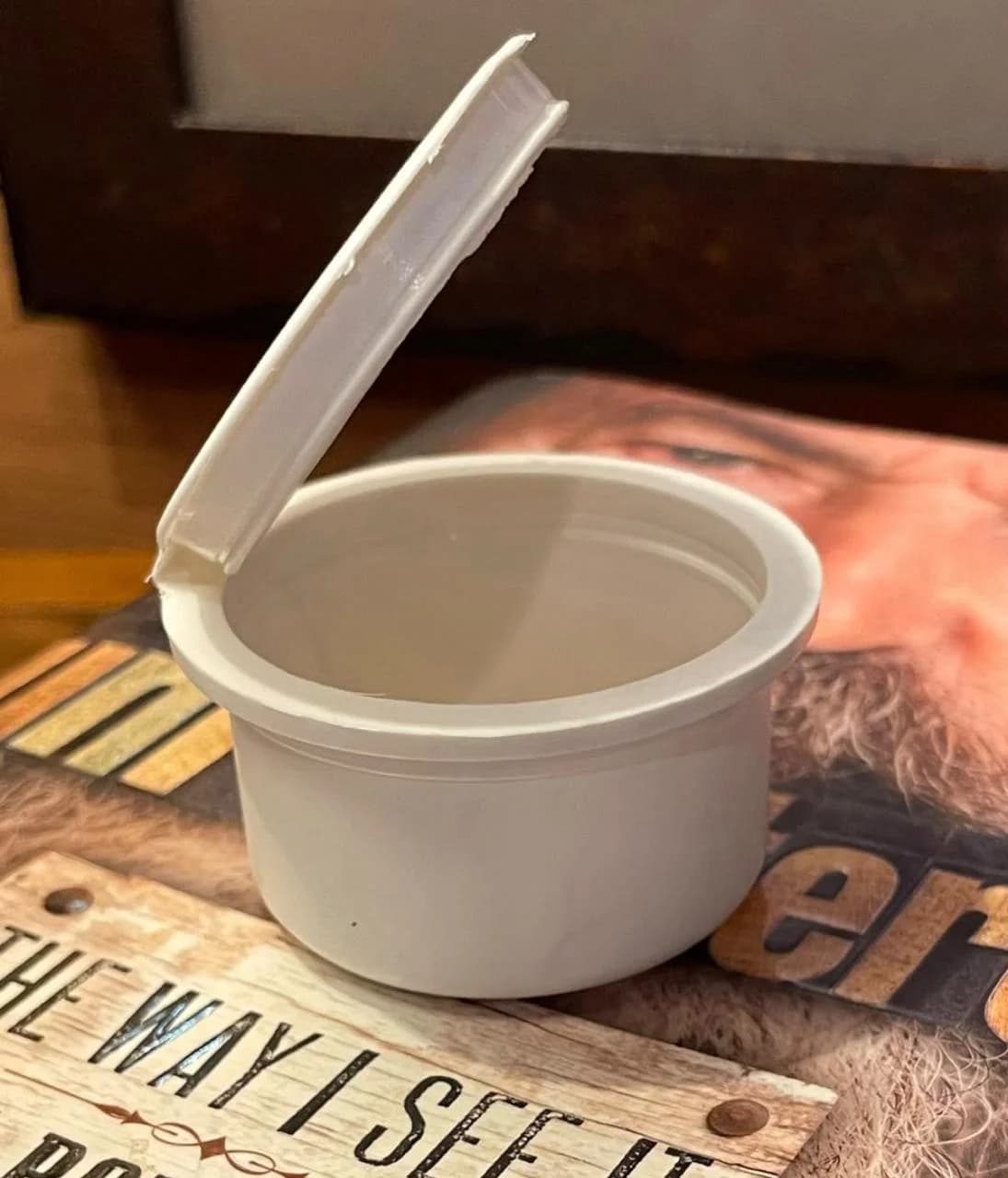
Specialty Containers
Pop-top containers and other specialty formats.
Why Businesses Are Considering PHA
- An alternative to conventional petroleum-based plastics.
- An opportunity to support corporate sustainability initiatives.
- An innovative packaging material that can set your products apart.
- Potential applications across hospitality, food service, healthcare, coffee and food manufacturing.
- Custom packaging opportunities where available.
We encourage buyers to evaluate each product against their own requirements and to make environmental claims only where documentation supports them.
PHA Certifications and Testing
Our materials are tested by TÜV Austria, an independent certification body. Each OK mark verifies a specific outcome under defined test conditions: industrial composting, home composting, biodegradation in soil, marine environments or fresh water, or biobased carbon content. A certificate applies to a specific material or product and does not automatically extend to the rest of the catalog.
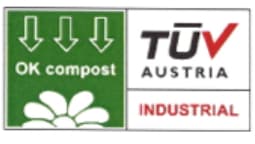
OK Compost Industrial
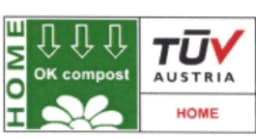
OK Compost Home
OK Biodegradable Soil
OK Biodegradable Marine
OK Biodegradable Water
OK Biobased
Review the certification definitions and the product-by-product table. Disposal conditions and limitations are stated on each certificate. For technical documents on a specific product, contact our team.
PHA Articles and Guides
- PLA and PHA bottles vs plastic
- PHA straws as a plastic replacement
- Advantages of PHA pill bottles
- Hotel sustainability program guide
- Microplastics and biodegradable solutions
- PHA vs PLA: the differences
- PHA biodegradation certifications explained
- What Is PHA Biodegradable Packaging and How Does It Work?
- The Best Alternatives to Conventional Petroleum-Based Plastic Packaging
- How Businesses Can Choose the Right Compostable Packaging Materials
- How Hotels Can Reduce Single-Use Plastic Packaging
- Sustainable Packaging Solutions for Restaurants and Food Service
- The Future of Sustainable Pharmaceutical and Pill Bottle Packaging
- Sustainable Packaging Options for Coffee Roasters and Beverage Brands
- How to Transition Your Business to Sustainable Packaging Solutions
- All articles
PHA Frequently Asked Questions
What is PHA biodegradable packaging?
Packaging made from PHA, a bio-based polymer produced by microorganisms, designed as an alternative to petroleum-based plastic. Whether a specific product biodegrades, and where, depends on its formulation and certification.
What does PHA stand for?
PHA stands for polyhydroxyalkanoates, a family of biopolymers.
How is PHA produced?
Specialized bacteria are fed a renewable feedstock such as canola oil. They store PHA inside their cells, and it is then extracted, purified and compounded into resin for molding.
What is the difference between PHA and PLA?
PLA is made by polymerizing plant sugars and is typically certified for industrial composting. PHA is made by microorganisms and, for certified products, can also be certified for home compost, soil or marine biodegradation. Neither should be assumed to break down in every environment.
Is PHA an alternative to conventional plastic?
Yes, for many single-use items such as straws, utensils, cups and containers. Suitability depends on the application, so test samples for your use.
Can PHA be used in food packaging?
PHA is used for food service items such as straws, utensils, cups, containers and meat trays. Confirm food-contact documentation for the specific product with our team.
What products can be manufactured using PHA?
Our catalog includes straws, utensils, stirrers, cups and lids, souffle cups, containers, jugs, coffee bags, pill and supplement bottles, meat trays and pizza savers.
What certifications are available for PHA packaging?
Our materials are tested by TÜV Austria under OK Compost Industrial, OK Compost Home, OK Biodegradable Soil, Marine and Water, and OK Biobased. Each certificate covers specific products and conditions, so see the certifications page.
Can businesses order PHA packaging wholesale?
Yes. Use the quote form to request wholesale pricing.
Does Pure Form Solution offer custom packaging?
Yes, custom and co-branded options are available for many products. Describe your requirements in the quote form.
How can businesses request product samples?
Choose the product samples option on the quote form and tell us what you would like to test.
How should PHA products be disposed of?
Follow the conditions on the product certificate, for example industrial composting or home composting where certified. Where no composting route exists, check local rules. Do not litter, even with biodegradable items.
Explore the Possibilities of PHA Packaging for Your Business
Discover innovative PHA packaging solutions and find the right alternatives for your products and business requirements.