
The Future of Sustainable Pharmaceutical and Pill Bottle Packaging
By Pure Form Solution · Published
Why pharmaceutical packaging is under pressure
Pharmacies, healthcare suppliers and supplement brands dispense huge numbers of small plastic bottles. Each one is used briefly and then discarded or, at best, recycled imperfectly because of small size, labels and mixed materials. Healthcare organizations also face their own sustainability and ESG reporting commitments.
At the same time, pharmaceutical packaging has strict requirements. It must protect contents, remain clean and secure, and meet the regulations that apply to the product. Any sustainable alternative must satisfy those requirements first.
What a pharmaceutical package has to do
Integrity
Closures must seal and stay secure through shipping, storage and handling. Child-resistant closures are required for many products, so confirm what is available for the bottle you choose.
Product protection
Moisture, light and oxygen can affect contents. Barrier needs vary by product and should be tested with your formulation.
Compatibility
The packaging material must not interact with the contents. Compatibility and stability testing remain the responsibility of the product owner.
Regulatory fit
Requirements differ by region and by whether the product is a prescription medicine, over-the-counter product or dietary supplement.
Where PHA pill bottles fit
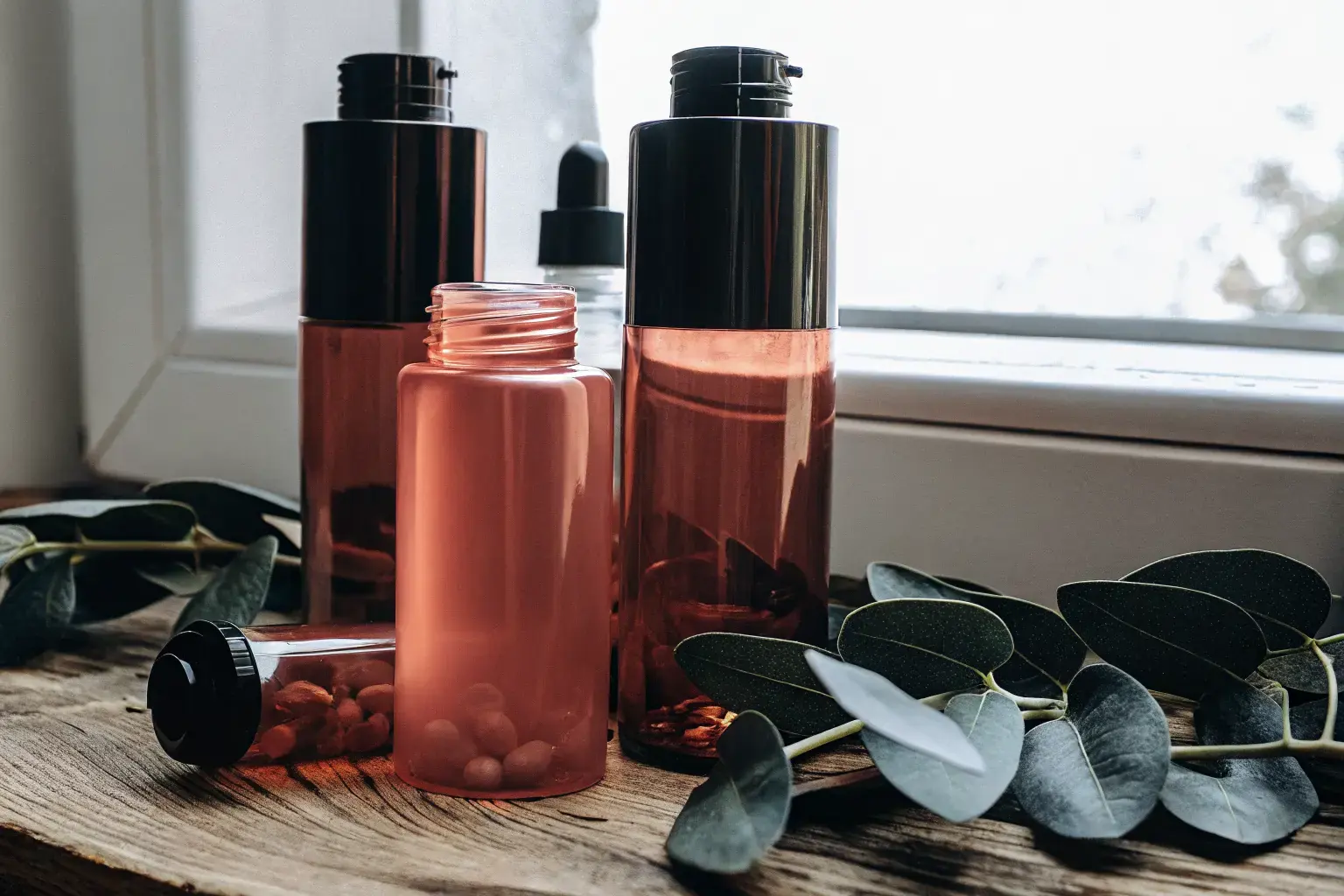
PHA pill bottles are made from a bio-based polymer produced by fermenting canola oil. They are designed to replace conventional plastic pharmacy and supplement bottles in applications where the product, regulatory path and testing allow. PHA packer bottles serve supplement and nutraceutical formats.
Qualifying PHA products are tested by TÜV Austria and carry biodegradation certificates under defined test conditions. Those certificates address how the material breaks down, not whether a bottle is suitable for a particular drug product.
Verification before adoption
We only claim pharmaceutical suitability where documentation supports it, and we recommend that buyers apply the same standard. Before moving a product into a new bottle, request technical specifications and documentation for the exact item, run stability and compatibility testing with your own formulation and closures, and have your regulatory and quality teams approve the change.
Starting with lower-risk applications, such as dietary supplements, vitamins or over-the-counter products where your quality team agrees, can be a sensible first pilot.
Customization and labeling
Pharmacies and brands need to label bottles clearly. Ask about available sizes, closure options, label compatibility and custom or co-branded formats for your volume. Sample bottles let your team test label adhesion, filling and capping equipment.
The direction of travel
Expect healthcare buyers to ask more questions about packaging materials, end-of-life and documentation, and to favor suppliers that can answer with certificates rather than claims. Materials that combine conventional performance with documented biodegradation will be easier to defend in procurement and reporting. Reuse and take-back programs will complement them.
The practical path today is a documented pilot: choose the product, test the bottle, verify the paperwork and expand.
Frequently asked questions
Are PHA pill bottles approved for prescription medicines?
We only claim pharmaceutical suitability where documentation supports it. Approval depends on your product, region and regulatory pathway, and your quality and regulatory teams must evaluate the bottle with your formulation.
Can pill bottles be printed or labeled?
Ask about label compatibility and custom options when requesting samples, and test adhesion on your own labeling line.
What documentation is available?
We provide technical information and the certificates that apply to each product on request. Tell us your use case so we send the right documents.
Which products can start first?
Many buyers begin with supplements or over-the-counter products where their quality team approves, and extend later.
Reducing risk during the switch
Treat a packaging change as a controlled project. Document your requirements, request samples, run compatibility and stability testing, review the regulatory implications and approve changes through your normal quality system. Keep the old packaging available until the new one has passed, and plan a staged rollout by product or site.
This approach protects patients and your brand, and it produces the documentation procurement and ESG reporting teams will want to see.
Sustainability goals and reporting in healthcare
Hospitals, pharmacy chains and supplement companies often publish sustainability targets that include packaging. Reporting frameworks ask for the materials used and the share that is recyclable, compostable or reusable. Packaging that comes with clear documentation makes these disclosures easier.
Use packaging data alongside other measures, such as shipping weight and returns, to avoid shifting impacts from one area to another. Where possible, combine material changes with right-sizing, fewer bottle formats and take-back or refill programs.
Document what you change
Record product, bottle type, quantities replaced and supplier documentation for each switch.
Align with procurement
Add certification and documentation requirements to purchasing specifications so suppliers know what to provide.
Review regularly
Reassess materials and certifications each year as technology and regulation change.
What buyers can do now
Ask your current and prospective packaging suppliers for material information and certificates, even if you are not changing yet. This builds a library that speeds up future decisions and reveals which suppliers can support your reporting.
Identify one or two products that are good candidates for a pilot, agree the test plan with your quality team and request samples. A small, documented trial is the most reliable way to learn whether a sustainable bottle fits your product, your equipment and your regulatory requirements.
Request information
Learn more on our sustainable pharmaceutical packaging page and explore all products on the PHA packaging solutions hub. To evaluate bottles, request product samples or technical information and tell us your product type, volume and region so we can point you to the right items.
Explore related solutions
Keep reading
Ready to evaluate PHA packaging for your business?
Request wholesale pricing, samples or custom packaging information.