
PHA vs PLA: What Is the Difference Between These Bioplastics?
By Pure Form Solution · Published
Why buyers compare PHA and PLA
When a business starts replacing conventional plastic packaging, two bioplastics appear again and again: PLA and PHA. Both are made from renewable feedstocks rather than petroleum, and both can be molded into familiar items such as cups, containers and bottles. They are not the same material, though, and treating them as interchangeable leads to disappointing results.
This guide explains the practical differences so that purchasing, sustainability and operations teams can decide which material fits which product. It does not assume that any bioplastic breaks down everywhere. How a product behaves depends on its formulation, its design, the conditions it meets and the certification it actually holds.
How each material is made
PLA (polylactic acid)
PLA starts with plant sugars from crops such as corn or sugarcane. The sugars are fermented into lactic acid, which is then chemically polymerized into a plastic resin. Our PLA products, including clamshell boxes and compostable bottling, are plant-based and are certified for industrial composting.
PHA (polyhydroxyalkanoates)
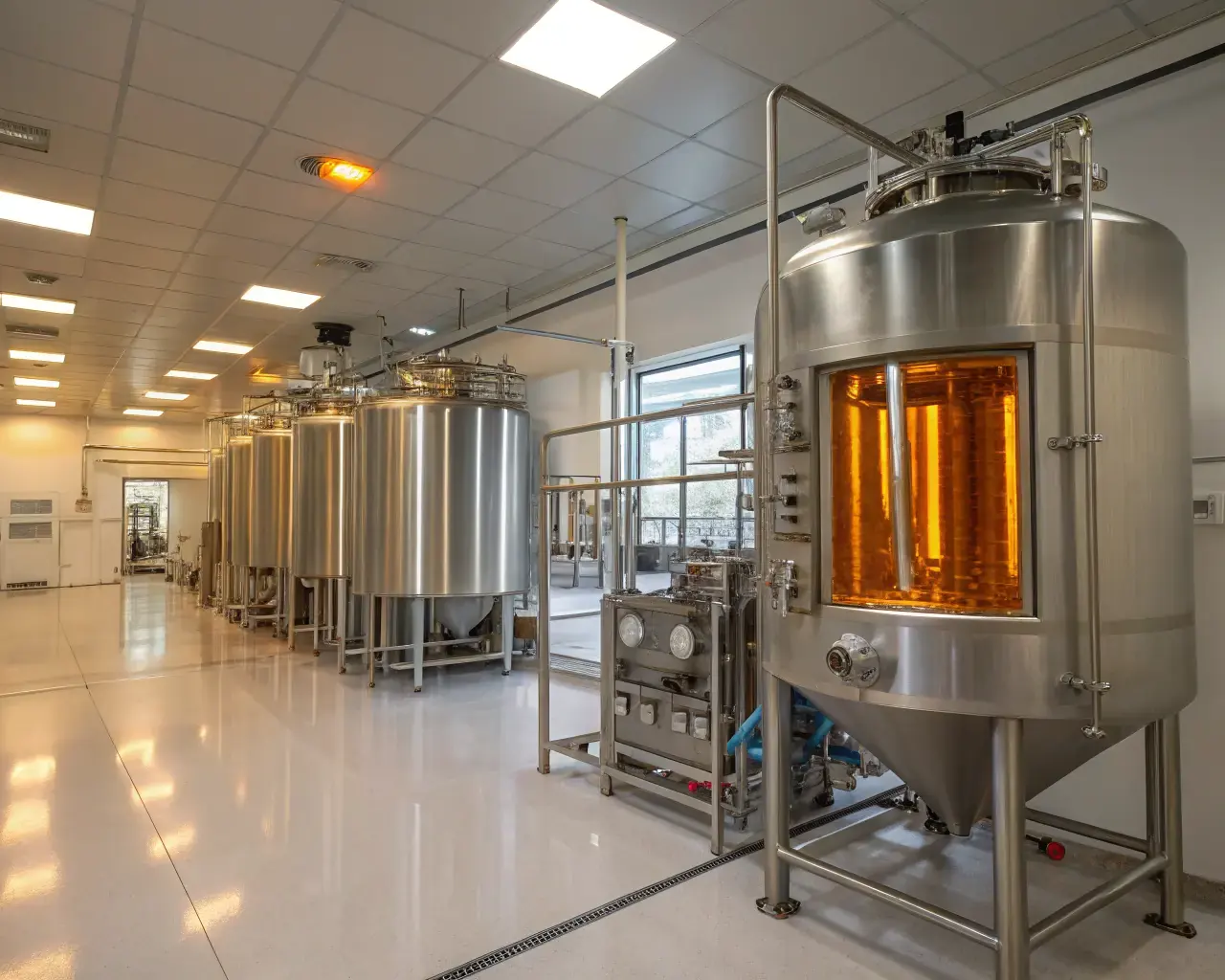
PHA is produced directly by microorganisms. Bacteria are fed a renewable feedstock such as canola oil and store PHA inside their cells as an energy reserve. The polymer is then extracted, purified and compounded into resin for molding. Because the final polymer is made by living organisms, other microorganisms in the environment can also consume it.
Performance considerations
PLA is rigid and clear, which makes it popular for cold applications such as produce clamshells, cold cups and bottles. Standard PLA softens at fairly low temperatures, so it is not the first choice for hot liquids or for items that sit in a hot vehicle.
PHA is used for items that need to be tougher or to tolerate more demanding use, such as straws, utensils, stirrers, souffle cups, containers, coffee bags and pill bottles. Each PHA product has its own formulation, so heat tolerance, flexibility and barrier behavior should be confirmed for the specific item. We recommend testing samples with your own product, filling line and storage conditions before committing to volume.
End-of-life characteristics
This is where the two materials differ most, and where claims need the most care. PLA is typically designed for industrial composting, where sustained high temperatures and controlled conditions are present. It generally does not break down quickly in a backyard compost pile, in soil or in water.
PHA can be formulated to biodegrade in a wider range of environments. Our PHA products are tested by TÜV Austria, and qualifying products carry certificates such as OK Compost Home, OK Biodegradable Soil and OK Biodegradable Marine or Water. Those certificates apply to specific products under defined test conditions, not to every PHA item on the market and not to every real-world environment. Biodegradable material should never be littered.
Side-by-side summary
Source
PLA: fermented plant sugars, polymerized. PHA: produced by bacteria from renewable feedstock such as canola oil.
Typical uses
PLA: clamshells, cold cups, bottles. PHA: straws, utensils, stirrers, containers, coffee bags, pill bottles, meat trays.
Disposal route to check
PLA: industrial composting facilities. PHA: the conditions on the product certificate, which may include home compost, soil or marine environments.
How to choose between PHA and PLA
Start from the product, not the material. Ask what the item holds, what temperature it faces, how long it must last and where your customers will dispose of it. If your customers have access to industrial composting and the item is cold and rigid, PLA can be a practical choice. If the item must handle more demanding use, or you want certification beyond industrial composting, PHA is worth evaluating.
Then ask for the paperwork. Request the certificate for the exact product and check which test conditions it covers. A hotel group sourcing straws and stirrers, for example, will usually look at PHA, while a deli replacing clear takeout boxes may find PLA clamshells a better match. Many businesses end up using both, each where it performs best.
Next steps
Explore the full range on our PHA packaging solutions hub, compare certifications on the certifications page, or look at industry pages for hotels and hospitality and restaurants and food service to see which products apply to your operation. When you are ready, request samples or wholesale pricing and our team will recommend products to test.
Explore related solutions
Keep reading
Ready to evaluate PHA packaging for your business?
Request wholesale pricing, samples or custom packaging information.