
Education
PHA Learning Center: Guides to PHA Bioplastic and Petroleum-Free Packaging
Clear answers to the questions buyers ask most about PHA bioplastic, how it compares with PLA and conventional plastic, how it biodegrades and where it is used. Every guide links to the products it describes.
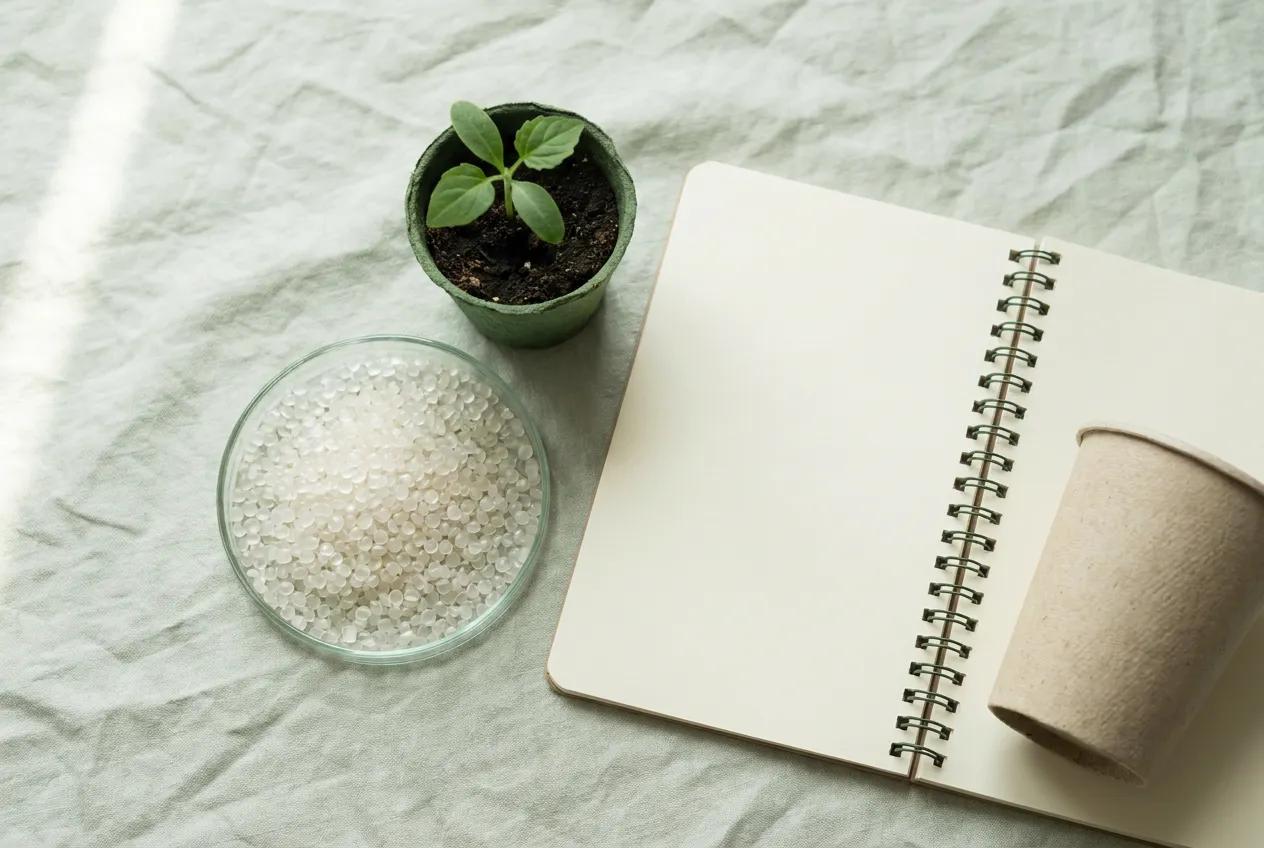
What Is PHA Bioplastic?
PHA (polyhydroxyalkanoate) is a petroleum-free bioplastic made by microorganisms that ferment renewable feedstock such as canola oil. The polymer is extracted, purified and molded into products such as straws, cups, containers and bottles. Because bacteria produce it, other microorganisms can consume it at end of life.
Read the full answer: What is PHA biodegradable packaging →PHA vs. PLA: What’s the Difference?
PLA is made by polymerizing lactic acid from fermented plant sugars and is typically designed for industrial composting. PHA is produced directly by bacteria and, for qualifying products, is certified for a wider range of environments, including home compost, soil and marine conditions. PLA suits cold, rigid items; PHA suits tougher, more demanding products.
Read the full answer: PHA vs PLA compared →PHA vs. Conventional Plastic
Conventional plastics such as polyethylene and polypropylene are made from petroleum and can persist in the environment for centuries, breaking into microplastics. PHA is made from renewable feedstock and is designed to be consumed by microorganisms instead of fragmenting. Performance for the target application should still be confirmed with samples.
Read the full answer: PHA vs conventional plastic →How Does PHA Biodegrade?
Microorganisms in soil, compost and water produce enzymes that break PHA into small molecules. They use those molecules as food and convert them to carbon dioxide, water and biomass. Speed depends on temperature, moisture, microbial activity and the thickness of the product.
Read the full answer: How PHA biodegrades →Is PHA Marine Biodegradable?
Qualifying PHA products have been tested by TÜV Austria and hold OK Biodegradable Marine certification under defined laboratory conditions. That certificate applies to specific products. It does not make littering acceptable, and not every PHA item on the market carries it.
Read the full answer: Is PHA marine biodegradable →What Is Petroleum-Free Packaging?
Petroleum-free packaging is made from materials that are not derived from crude oil or natural gas. Instead of fossil feedstock, PHA and PLA start from renewable sources such as plant oils and plant sugars, which reduces reliance on petroleum for single-use items.
Read the full answer: What petroleum-free packaging means →PHA Applications in Pharmaceutical Packaging
PHA is being evaluated for pharmacy and supplement packaging, including pill bottles, as a biodegradable alternative to conventional plastic bottles. Compatibility with the drug product, labeling and regulatory requirements must be confirmed through testing before adoption.
Read the full answer: PHA in pharmaceutical packaging →Sustainable Alternatives to HDPE Packaging
HDPE is the petroleum plastic behind milk jugs, pill bottles and many containers. PHA jugs, packer bottles, pill bottles and containers are petroleum-free alternatives for these formats, with performance such as barrier and closure fit to be validated with samples.
Read the full answer: Alternatives to HDPE →How Businesses Can Reduce Single-Use Plastic
Audit the single-use items you buy, start with high-volume ones such as straws, cups, lids, cutlery and stirrers, switch to certified alternatives, test with samples and tell customers how to dispose of them.
Read the full answer: Reduce single-use plastic →Products mentioned in these guides
Ready to evaluate PHA packaging for your business?
Request wholesale pricing, samples or custom packaging information.