
PHA vs Conventional Plastic: How PHA Biodegrades and Whether It Is Marine Biodegradable
By Pure Form Solution · Published
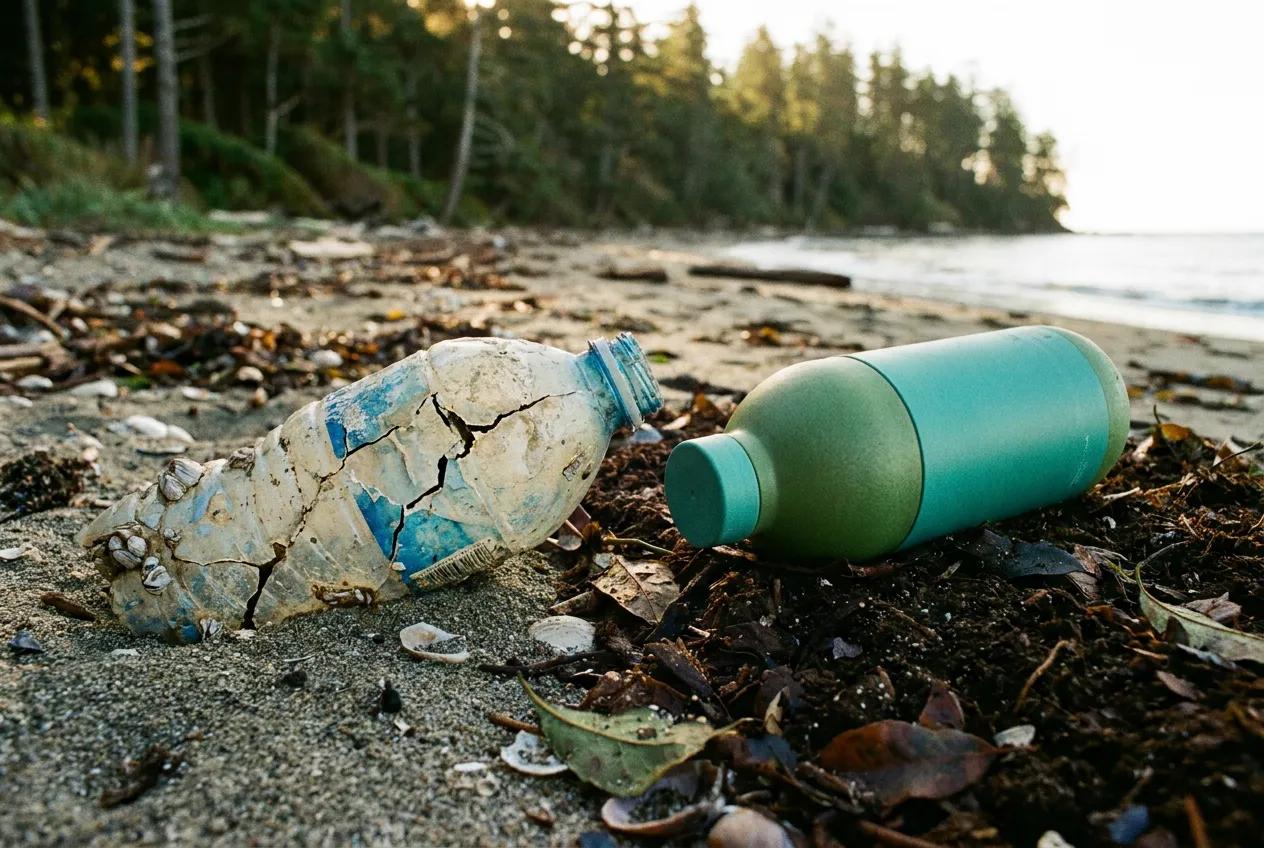
Buyers comparing PHA with petroleum plastic usually have three questions: how the materials differ, what actually happens when PHA breaks down, and whether it is safe to say it biodegrades in the ocean. This guide answers each one carefully.
PHA vs. Conventional Plastic
Conventional plastics such as polyethylene, polypropylene and PET are made from petroleum. They are durable and inexpensive, but they do not biodegrade in any meaningful timeframe. Instead they fragment into smaller and smaller pieces, which is how microplastics form. Less than a tenth of plastic is recycled, and the remainder is landfilled, burned or leaks into the environment.
PHA is made from renewable feedstock such as canola oil, fermented by bacteria that store the polymer inside their cells. The finished resin can be molded into straws, utensils, cups, containers and bottles. At end of life, microorganisms can consume it rather than leave persistent fragments. Heat tolerance, flexibility and barrier behavior vary by formulation, so each product should be tested with your own contents and conditions.
How Does PHA Biodegrade?
Biodegradation is a biological process. Bacteria and fungi in soil, compost and water attach to the PHA surface and secrete enzymes that cut the polymer chains into small molecules. The organisms absorb those molecules as food and convert them into carbon dioxide, water and biomass. The material is consumed, not merely broken into smaller plastic.
The rate depends on temperature, moisture, oxygen, the microbial population and the thickness of the item. A thin straw breaks down faster than a thick container, and a warm active compost pile faster than cold, dry ground. Certification tests set the exact conditions and time limits, which is why the certificate for the specific product matters.
Is PHA Marine Biodegradable?
Marine environments are cold and low in nutrients, and most bioplastics do not biodegrade there. PHA is one of the few that can. Qualifying Pure Form Solution products have been tested by TÜV Austria and hold OK Biodegradable Marine certification, which verifies biodegradation in seawater under defined laboratory conditions.
Two cautions apply. First, the certificate covers specific products and formulations, not every PHA item. Second, a marine certificate describes behavior in a test, and it is not permission to litter. Biodegradable products still belong in the proper waste stream, and the benefit is that if they escape, they do not persist as microplastic.
Explore related products
Keep reading
Ready to evaluate PHA packaging for your business?
Request wholesale pricing, samples or custom packaging information.