
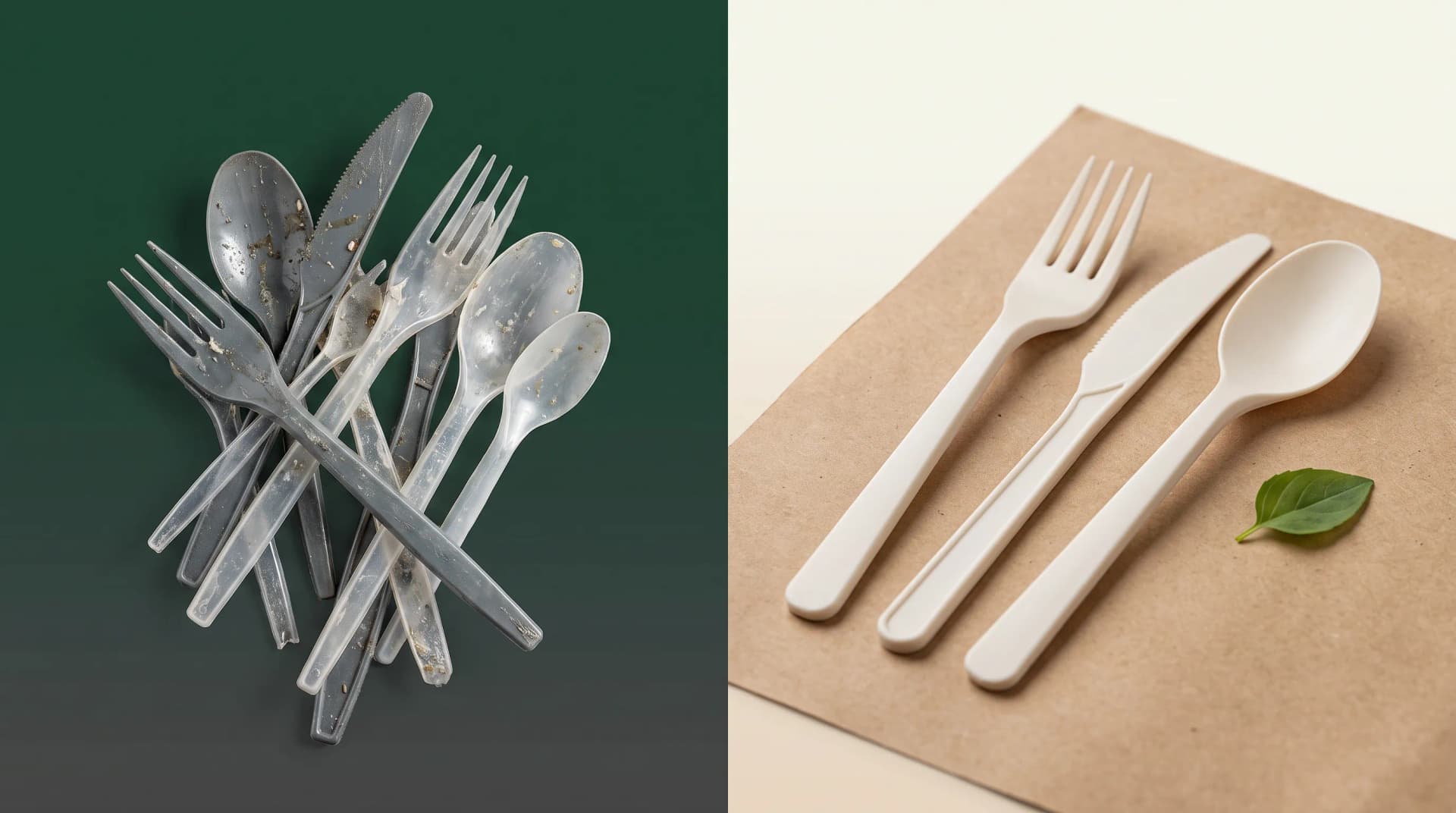
Roughly 40 billion single-use plastic utensils are used and discarded in the United States every single year — forks, spoons, and knives handed out with every takeout order, school lunch tray, and catered event. Fewer than 1% are ever recycled, because their shape, size, and food contamination make them nearly impossible to sort at a materials recovery facility. Almost all of the rest end up in landfill, incinerated, or loose in the environment, where they take up to 500 years to break down — and even then, they never fully disappear. They just get smaller.
Now picture a single, specific, achievable shift: by 2027, half of those 40 billion utensils are replaced with PHA (polyhydroxyalkanoate) bio-based utensils instead of petroleum plastic. Not all of them — just half. Here is the statistical breakdown of what that one change actually does to landfill volume, marine pollution, human microplastic exposure, and the compost stream, backed by the numbers behind it.
The Scale of the Plastic Utensil Problem
Plastic cutlery is deceptively small, which is exactly why it is so hard to manage at scale. A single fork weighs about 4 grams, so it rarely registers as "a lot of plastic" to the person using it. But multiply 4 grams by 40 billion units a year and the picture changes fast: that is roughly 176,000 metric tons of petroleum plastic utensils entering the waste stream annually in the U.S. alone, and several times that figure globally.
Utensils are also one of the few plastic categories recycling facilities actively refuse. Their light weight and small, curved shape cause them to fall through sorting screens and jam conveyor equipment, and food residue (grease, sauce, dairy) contaminates anything they touch in the recycling stream. The result is that virtually all plastic utensils, recycled bin or not, are landfilled, incinerated, or littered.
40 Billion
Single-use plastic utensils used annually in the U.S. — forks, spoons, and knives combined.
Under 1%
Ever actually recycled. Shape, weight, and food contamination make sorting nearly impossible.
500 Years
Estimated time for a single plastic fork to fully break down in a landfill or ocean environment.
What a 50% Replacement Actually Removes
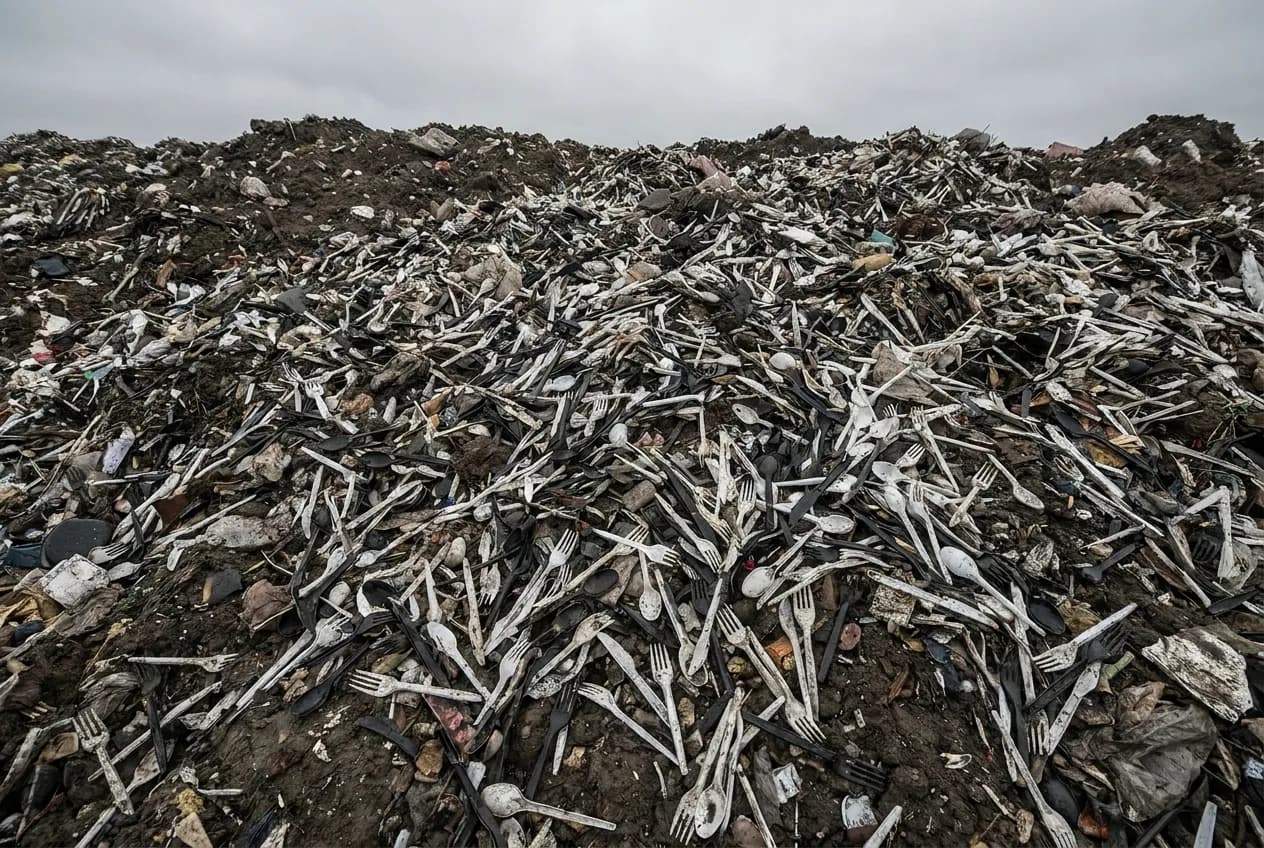
If half of the 40 billion plastic utensils used annually in the U.S. were replaced with PHA utensils by 2027, that is 20 billion units — and roughly 88,000 metric tons of petroleum plastic — redirected away from landfill, incineration, and litter every single year. That is the annual weight equivalent of over 6,700 loaded garbage trucks that simply never reach the landfill in plastic utensil form.
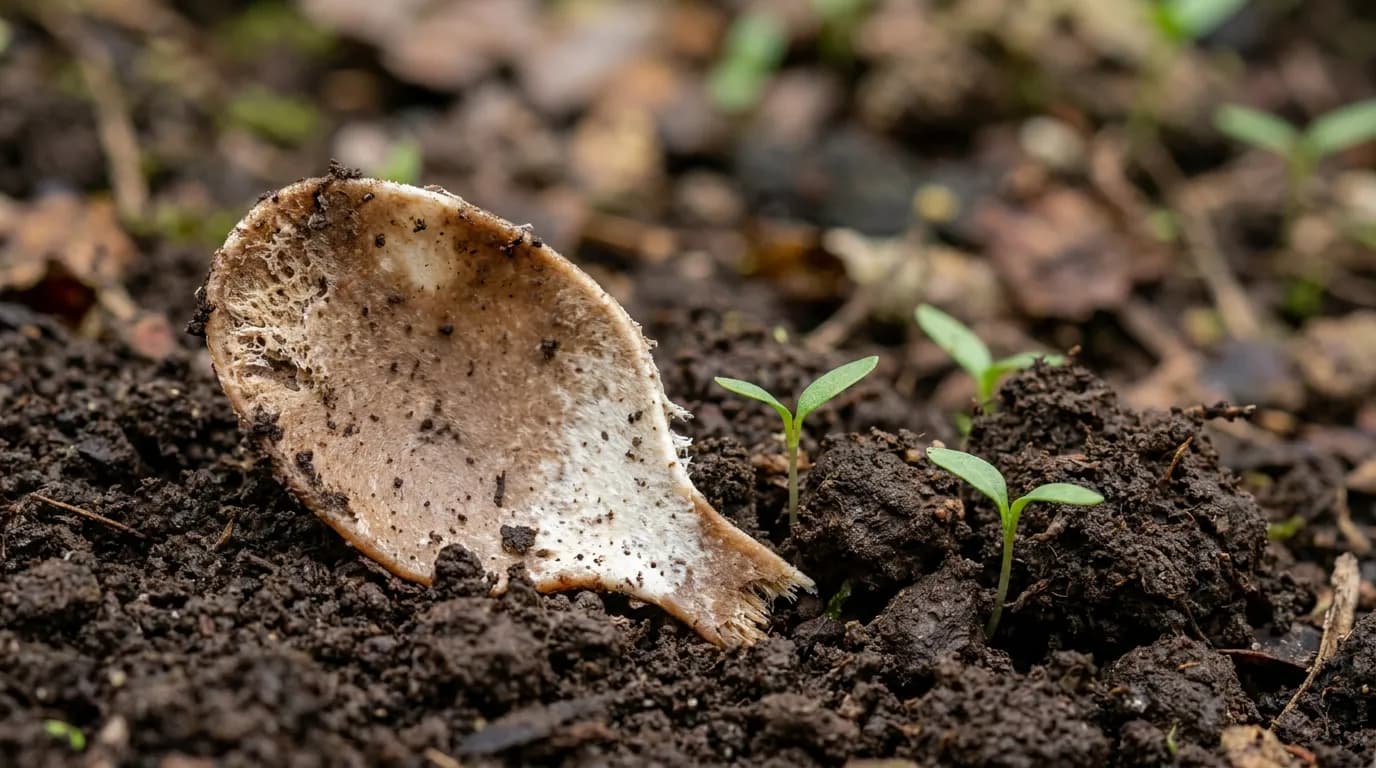
It also means 20 billion fewer utensils that need centuries to fragment. PHA is a marine-biodegradable, home-compostable material — independent testing under ASTM D6400 and D6691 standards shows PHA utensils fully biodegrading in industrial compost, soil, and ocean water within months, not centuries, leaving behind only water, carbon dioxide, and biomass.
The Microplastics and Health Angle
Plastic utensils are a direct food-contact product, which makes their slow breakdown a health issue, not just an environmental one. As petroleum plastic forks and spoons age in landfill, sunlight and abrasion, or simply from the friction of eating hot food, they shed microplastic and nanoplastic particles. Recent studies estimate the average person ingests somewhere between 39,000 and 52,000 microplastic particles per year from food-contact sources alone, with hot food and heat exposure accelerating the shedding rate from plastic utensils and containers.
Researchers have now found microplastics in human blood, lung tissue, placental tissue, and breast milk. PHA utensils, by contrast, are certified food-safe and derived from a naturally occurring biopolymer — the same class of material some bacteria produce and store as an energy source — meaning there is no petroleum-plastic microplastic byproduct entering the food someone eats with them.
The Ocean and Landfill Math
An estimated 8 million metric tons of plastic enter the ocean every year, and single-use foodware — utensils, straws, and cups — makes up a disproportionate share of what washes up on coastlines during cleanup audits. Because plastic utensils are light, they travel easily through storm drains and waterways, and because they never fully disappear, they persist as one of the most commonly found items in beach cleanup data worldwide.
A 50% replacement with PHA utensils by 2027 does not just remove volume — it changes the failure mode. A stray PHA utensil that ends up in a waterway biodegrades in that same marine environment within months. A stray petroleum plastic utensil does the opposite: it fragments into thousands of microplastic pieces that persist indefinitely and are consumed by marine life up the food chain, eventually back onto human plates.
PHA vs. Plastic vs. Other Bioplastics
Not every "eco-friendly" utensil claim holds up the same way. Here is how PHA stacks up against the alternatives businesses and consumers are choosing between.
Petroleum Plastic (PP/PS)
Strength
Low cost, high heat resistance, rigid.
Limitation
Never fully biodegrades, sheds microplastics, virtually unrecyclable.
PLA (Corn-Based Bioplastic)
Strength
Plant-based feedstock, lower carbon footprint than petroleum plastic.
Limitation
Only breaks down in high-heat industrial composting — does not biodegrade in soil, home compost, or ocean water.
Wood / Bamboo Utensils
Strength
Fully biodegradable, renewable material.
Limitation
Higher cost, less durable with hot or oily food, splinters possible.
PHA Bioplastic
Strength
Biodegrades in home compost, soil, and marine water. Matches plastic's rigidity and heat tolerance.
Limitation
Currently a smaller-volume supply chain than conventional petroleum plastic, though scaling fast.
Why 2027 Is a Realistic Target, Not a Guess
A 50% replacement figure is not aspirational marketing — it tracks with where the foodservice packaging industry is already headed. State-level single-use plastic bans, corporate sustainability commitments tied to public ESG reporting, and rising consumer demand for compostable foodware are already pushing restaurants, caterers, schools, and institutional food services toward biodegradable alternatives ahead of regulatory deadlines.
The remaining barrier has never been demand — it has been finding a bio-based utensil that performs identically to petroleum plastic in the kitchen: rigid enough for a steak knife, heat-tolerant enough for hot entrees, and cost-competitive enough for bulk foodservice ordering. That is the gap PHA utensils are built to close.
The businesses moving fastest on this aren't waiting for a mandate. They're switching now because their customers are already asking why the fork in their hand takes 500 years to disappear.
Jim McGinnis, V.P. of Marketing & Sales, Pure Form Solution LLC
Pure Form Solution's Role in Getting There
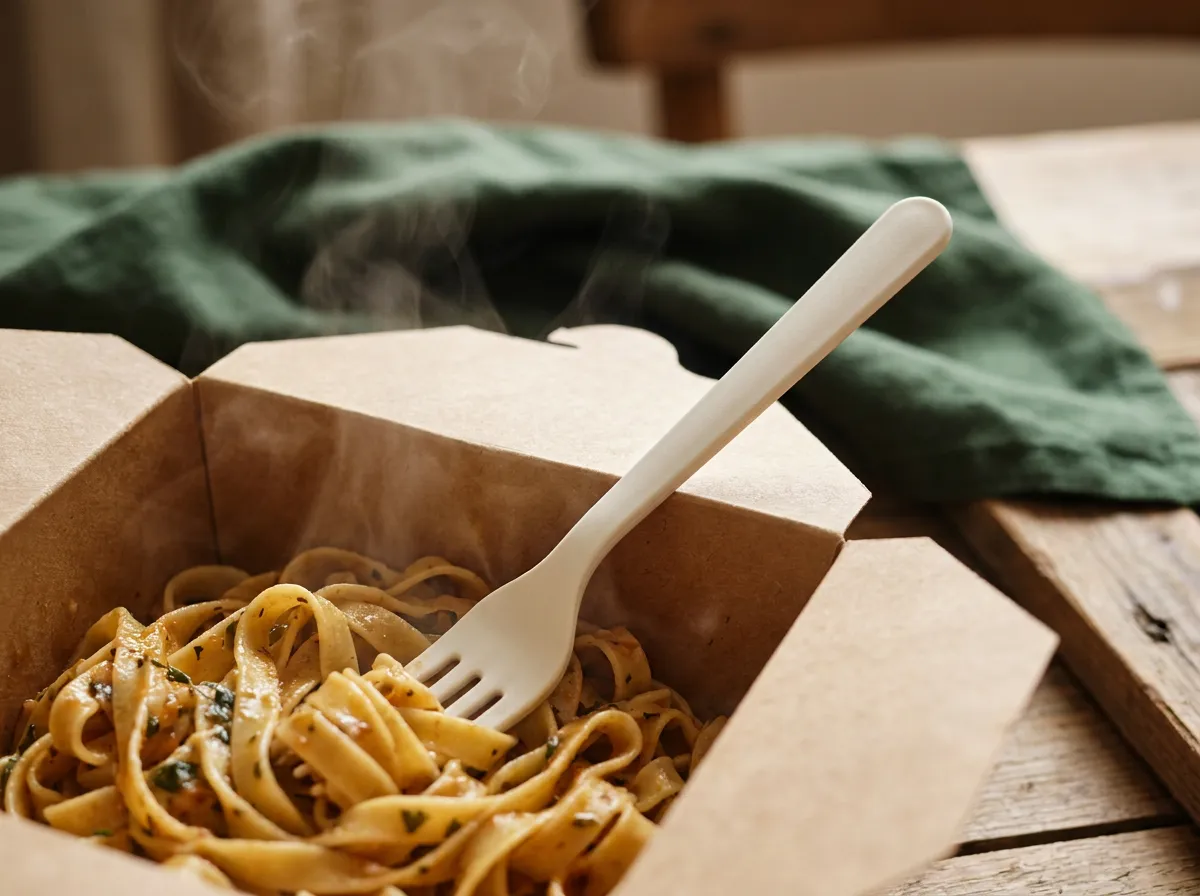
Pure Form Solution manufactures PHA bio-degradable utensils — forks, spoons, and knives — engineered to match the rigidity, heat tolerance, and everyday feel of the petroleum plastic utensils they replace, without asking a restaurant, caterer, or institution to sacrifice performance for sustainability.
Every PHA utensil in the Pure Form Solution lineup is certified home-compostable and marine-biodegradable, meaning it breaks down completely whether it ends up in a backyard compost bin, an industrial composting facility, ordinary soil, or, in a worst-case scenario, a waterway — with zero microplastic residue left behind.
For businesses that serve food at any volume, from a single café counter to a national catering operation, switching to PHA utensils is one of the most direct, measurable steps available toward hitting a 2027 plastic-reduction target.
The Bottom Line
Replacing 50% of plastic utensils with PHA by 2027 is not a symbolic gesture — it is roughly 88,000 metric tons of petroleum plastic a year rerouted away from landfill and ocean, tens of billions of fewer microplastic-shedding utensils in direct contact with food, and a genuine reduction in the volume of foodware fragmenting into permanent debris.
The technology already exists, the performance already matches petroleum plastic, and the regulatory and consumer pressure already points the same direction. The only remaining variable is how many businesses make the switch before the deadline arrives instead of after.
Pure Form Solution is built to help make that transition simple, affordable, and ready well ahead of 2027.
Explore Pure Form Solution Products