
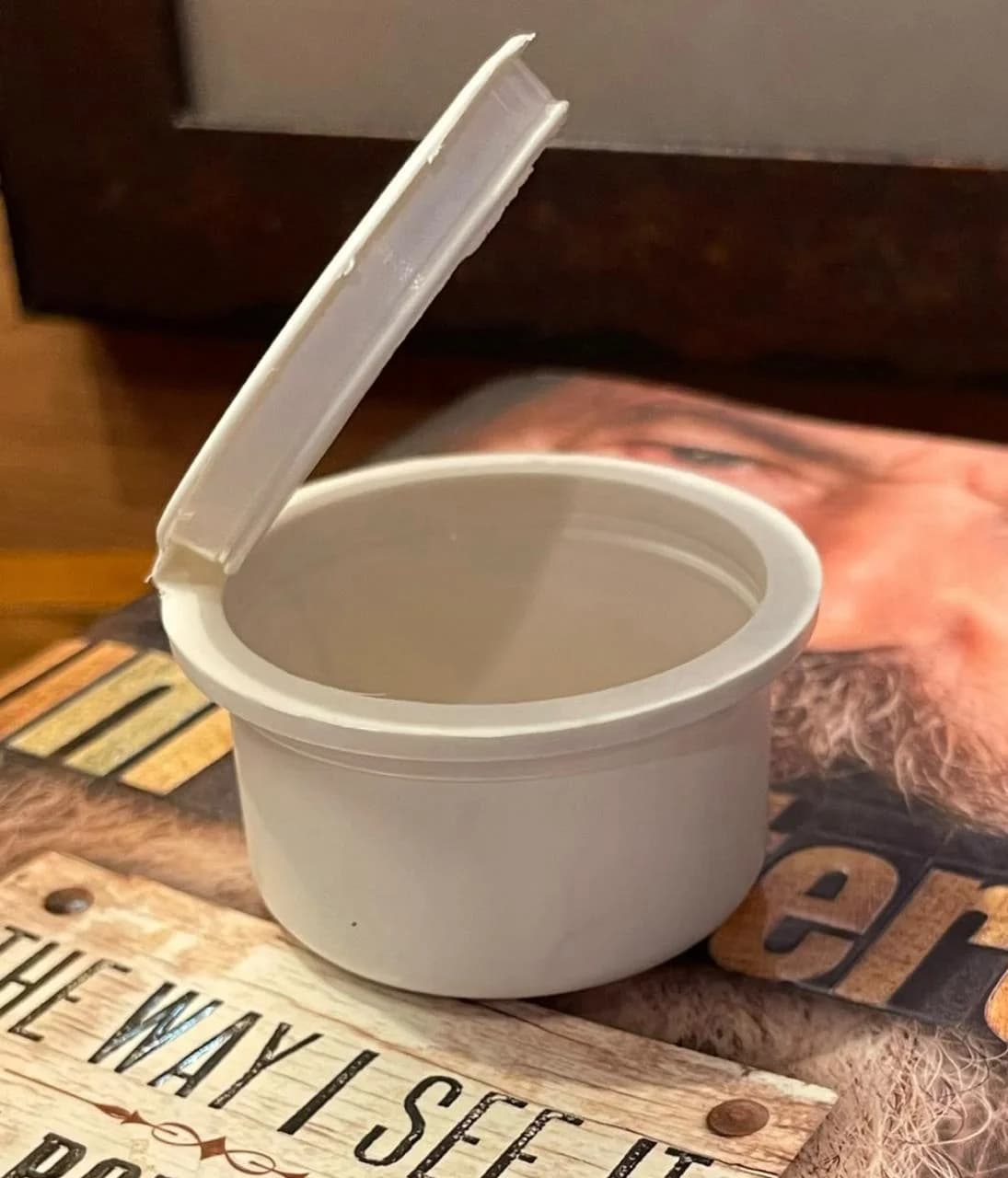
Every gummy, mint, chocolate, and cannabis-infused edible sold in a hinged, snap-shut container relies on the same piece of packaging engineering — the pop top container. It has to be child-resistant, airtight, stackable, and cheap enough to use once and discard. For decades, conventional polypropylene has delivered on all four counts, and the edibles, nutraceutical, and small-batch goods industries have never had a reason to look for an alternative.
That reason now exists. Pure Form Solution's PHA pop top containers match conventional plastic on every performance metric that matters — hinge action, snap-shut security, airtight seal, stackable footprint — while eliminating the centuries-long environmental debt that comes with every polypropylene container sold. Here is the full case for why the switch matters, what the material actually is, and what changes when an industry built on billions of single-use containers finally has a compostable option that performs identically to the plastic it replaces.
A Packaging Category Recycling Was Never Built to Handle
Industry estimates put global production of plastic pop top containers for edibles, gummies, mints, chocolates, and small-batch goods above 10 billion units a year — a number that has climbed alongside the rapid growth of the legal cannabis, hemp-derived, and functional edibles markets in the United States and beyond. Every one of those containers is manufactured from petroleum-based polypropylene, molded into a small, hinged form that recycling infrastructure was never designed to sort or process.
The problem is structural, not incidental. Pop top containers are small, they're frequently contaminated with product residue — sugar, oils, resin, chocolate — and their hinged, multi-material construction (rigid body plus flexible-hinge lid) confuses optical sorting equipment at material recovery facilities. Fewer than 10% of contaminated pop-top containers ever actually enter a functioning recycling stream, even in markets with curbside programs. The rest are landfilled, incinerated, or become litter.
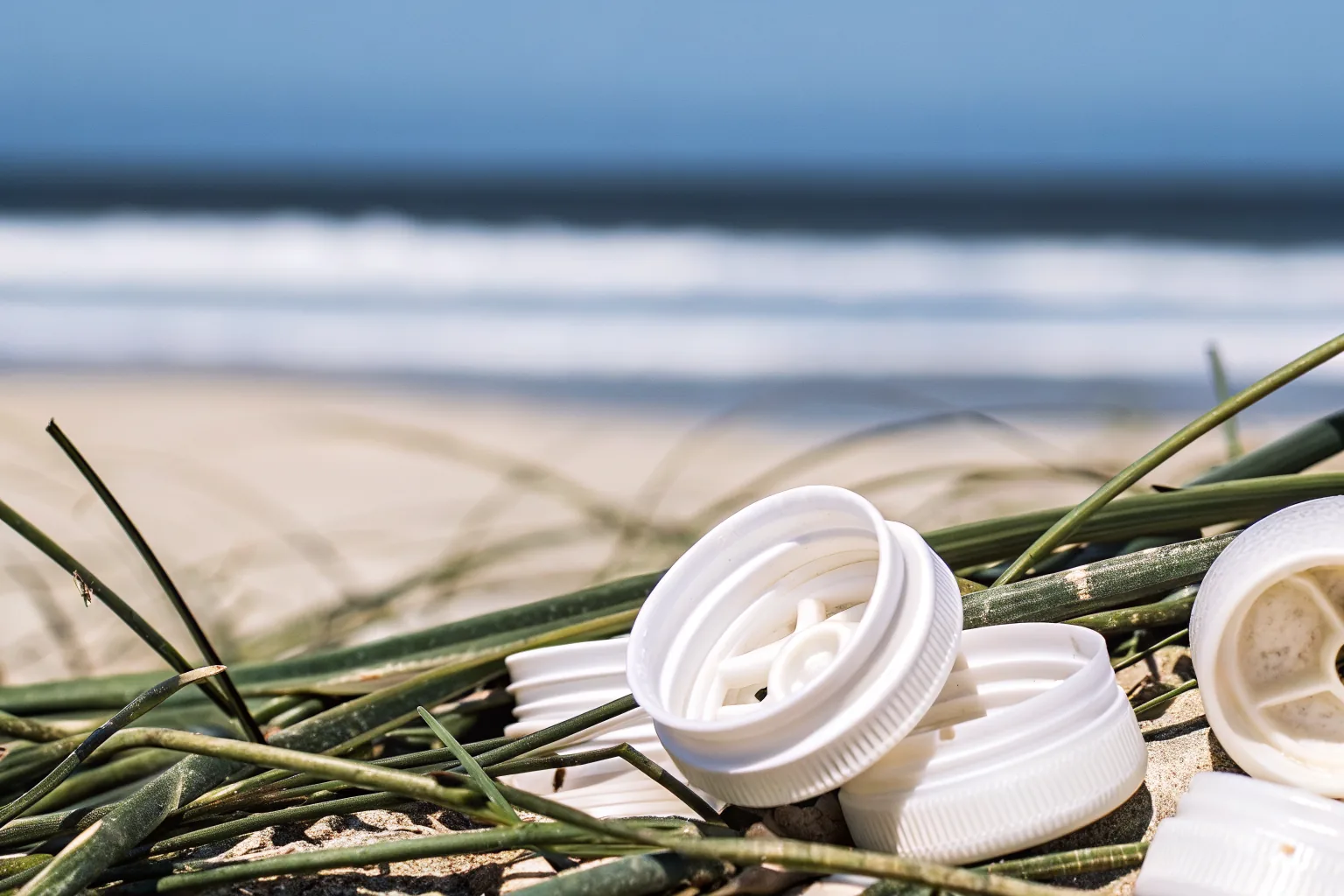
Left in a landfill or waterway, a conventional polypropylene pop top container takes more than 400 years to break down — and it never fully disappears. Instead, it fragments into microplastic particles that persist in soil, groundwater, and marine ecosystems indefinitely, eventually entering the food chain through the same channels used by the products the containers were designed to protect.
10B+ Units a Year
Plastic pop top containers manufactured globally for edibles, gummies, mints, and small-batch goods.
Under 10% Recycled
Share of contaminated pop-top containers that actually enter a functioning recycling stream.
400+ Years to Degrade
Time a conventional polypropylene container persists in a landfill or waterway before fully breaking down.
What Makes PHA Different
PHA — polyhydroxyalkanoates — is a bioplastic produced through bacterial fermentation of plant-based oils, not refined from petroleum. Microorganisms are fed plant oil and, as part of their natural metabolic process, produce PHA as an energy-storage compound inside their own cells. That compound is then harvested and processed into a resin with the rigidity, hinge-flex durability, and moldability of conventional plastic.
The result is a material that behaves like polypropylene on the packaging line and in the customer's hand, but is recognized as food by microorganisms in marine water, soil, and compost once it's discarded. There's no petroleum feedstock, no synthetic polymer chain that persists indefinitely, and no toxic byproduct left behind when it finally does break down.
For packaging engineers, the practical question has always been whether a bioplastic alternative could actually perform under the same tolerances as the plastic it replaces — hinge cycles without cracking, a snap-shut closure that holds under pressure, and an airtight seal that survives shipping and shelf time. PHA pop top containers are engineered specifically to meet those tolerances, not approximate them.
Six Reasons Edibles Brands Are Making the Switch
The case for PHA pop top containers goes beyond sustainability messaging. Each of the following addresses a real operational or regulatory requirement that edibles, nutraceutical, and small-batch goods brands already have to satisfy.
- 01
Certified Child-Resistant Closure
An engineered hinged closure with a tamper-evident snap-shut mechanism that requires deliberate action to open — meeting industry performance standards for child-resistant packaging, a non-negotiable requirement for edibles brands in regulated markets.
- 02
Airtight Seal for Product Freshness
The same snap-shut hinge that provides child-resistant security also creates an airtight seal that blocks oxidation and moisture ingress — keeping gummies soft, chocolate firm, and cannabis-infused edibles at labeled potency for the full shelf life.
- 03
Zero Petroleum, Zero Synthetic Residue
Manufactured entirely from PHA bioplastic with no petroleum-based inputs, no BPA, and no phthalates — a packaging profile that satisfies clean-label and ESG sourcing requirements conventional plastic simply cannot.
- 04
Drop-In Equipment Compatibility
Matches the hinge action, snap-shut closure, and stackable footprint of standard plastic pop-top containers exactly, so filling lines, capping equipment, and packaging workflows require zero modification to switch over.
- 05
Four-Environment Compostability
Certified to biodegrade in marine, soil, home compost, and industrial composting environments — not just one narrow facility condition — so the container breaks down completely regardless of how it's actually discarded.
- 06
Retail-Ready Custom Finishes
Available in an opaque finish for product protection and shelf presence, with custom colors, matte, gloss, and soft-touch finish options, plus a reversible cap for applications that don't require child-resistant closures.
PHA vs. Conventional Plastic Pop Top Containers
The honest comparison isn't PHA against an imaginary perfect material — it's PHA against the polypropylene container brands are using today. Here's how the two stack up on the factors that actually drive a packaging decision.
Conventional Polypropylene
Strengths
Low unit cost at high volume, decades of established tooling, familiar hinge and snap-shut performance.
Limitations
Petroleum-based, rarely recyclable once contaminated with product residue, persists 400+ years and fragments into microplastics.
Best For
Brands with no sustainability mandate and no visibility into end-of-life disposal outcomes.
PHA Pop Top Container
Strengths
Matches conventional plastic in hinge action, closure security, and airtight seal — zero petroleum, zero toxic residue.
Limitations
Currently a pre-order product with sample availability starting October 2026; unit cost reflects a newer, lower-volume supply chain.
Best For
Edibles, nutraceutical, and small-batch brands with sustainability commitments, ESG reporting obligations, or regulated-market compliance needs.
Child-Resistant Compliance Without Compromising on Sustainability
Child-resistant packaging isn't optional in most markets where edibles are sold — it's a regulatory floor. Brands have historically assumed that meeting that floor meant defaulting to conventional plastic, since child-resistant hinge mechanisms are precision-molded parts with tight tolerances that few alternative materials could reliably reproduce.
PHA pop top containers close that gap. The tamper-evident hinge and secure snap-shut closure are engineered to meet the same performance expectations as conventional child-resistant packaging, while the underlying material is certified for biodegradability across marine, soil, home compost, and industrial composting environments — independently verified, not a self-reported marketing claim.
That combination — regulatory-grade child resistance plus genuine end-of-life compostability — is what separates a real drop-in replacement from a greenwashed one. Brands don't have to choose between compliance and sustainability with PHA pop top containers; the same closure delivers both.
Edibles brands have been stuck picking between a container that satisfies child-resistant regulations and a container that's actually good for the planet. PHA pop top containers were built specifically so nobody has to make that trade-off anymore.
— Jim McGinnis, V.P. of Marketing & Sales, Pure Form Solution LLC
The Pure Form Sample Program
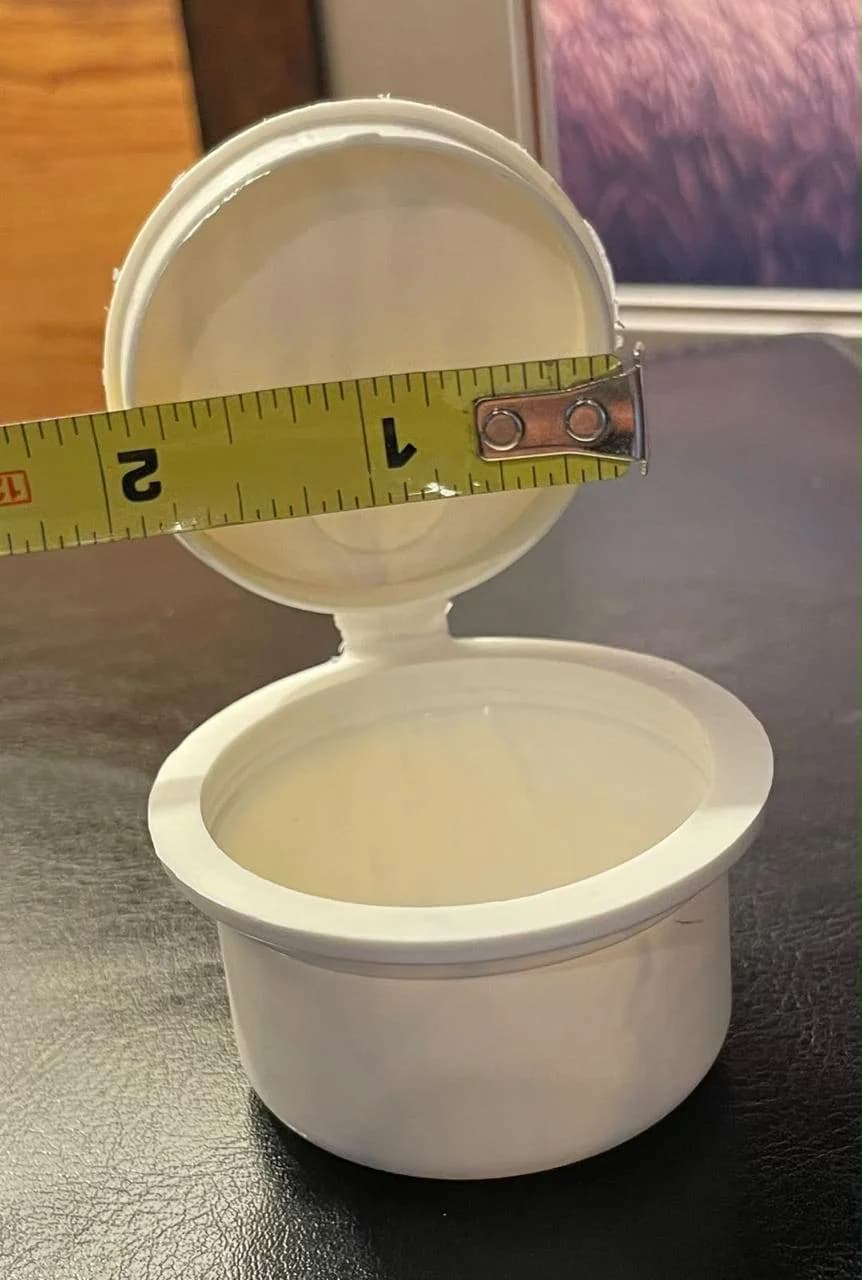
Pure Form Solution is opening PHA pop top container samples to qualified businesses starting October 2026. The container is available across the standard 13 to 90 dram capacity range used industry-wide, in an opaque white finish with custom color, matte, gloss, and soft-touch options, and with either the standard snap-shut child-resistant closure or a reversible cap for non-restricted applications.
Businesses that reach out ahead of the October launch are added directly to the sample request list, with the opportunity to discuss volume pricing, custom branding, and how the container integrates into an existing filling and packaging line before committing to a full production run.
For edibles brands, dispensaries, nutraceutical companies, and small-batch producers already fielding sustainability questions from customers and regulators alike, the PHA pop top container removes the single biggest packaging-related objection: that a compostable option simply doesn't exist yet at the required performance level.
A Drop-In Replacement, Not a Compromise
The edibles, cannabis, nutraceutical, and small-batch goods industries didn't need a packaging alternative that asked them to sacrifice child-resistant security, shelf life, or retail presentation to be more sustainable. They needed one that matched conventional plastic on every operational requirement while actually returning to nature at end of life.
PHA pop top containers deliver exactly that: the same hinge action, the same snap-shut security, the same airtight freshness seal, and the same stackable form factor as the polypropylene containers already running through existing packaging lines — manufactured with zero petroleum and certified to biodegrade completely in marine, soil, home compost, and industrial composting environments.
With more than 10 billion plastic pop-top containers entering landfills and waterways every year, the switch to PHA isn't a marginal sustainability upgrade — it's the removal of one of the edibles industry's largest and most overlooked sources of plastic waste, one container at a time.
Explore Pure Form Solution Products