
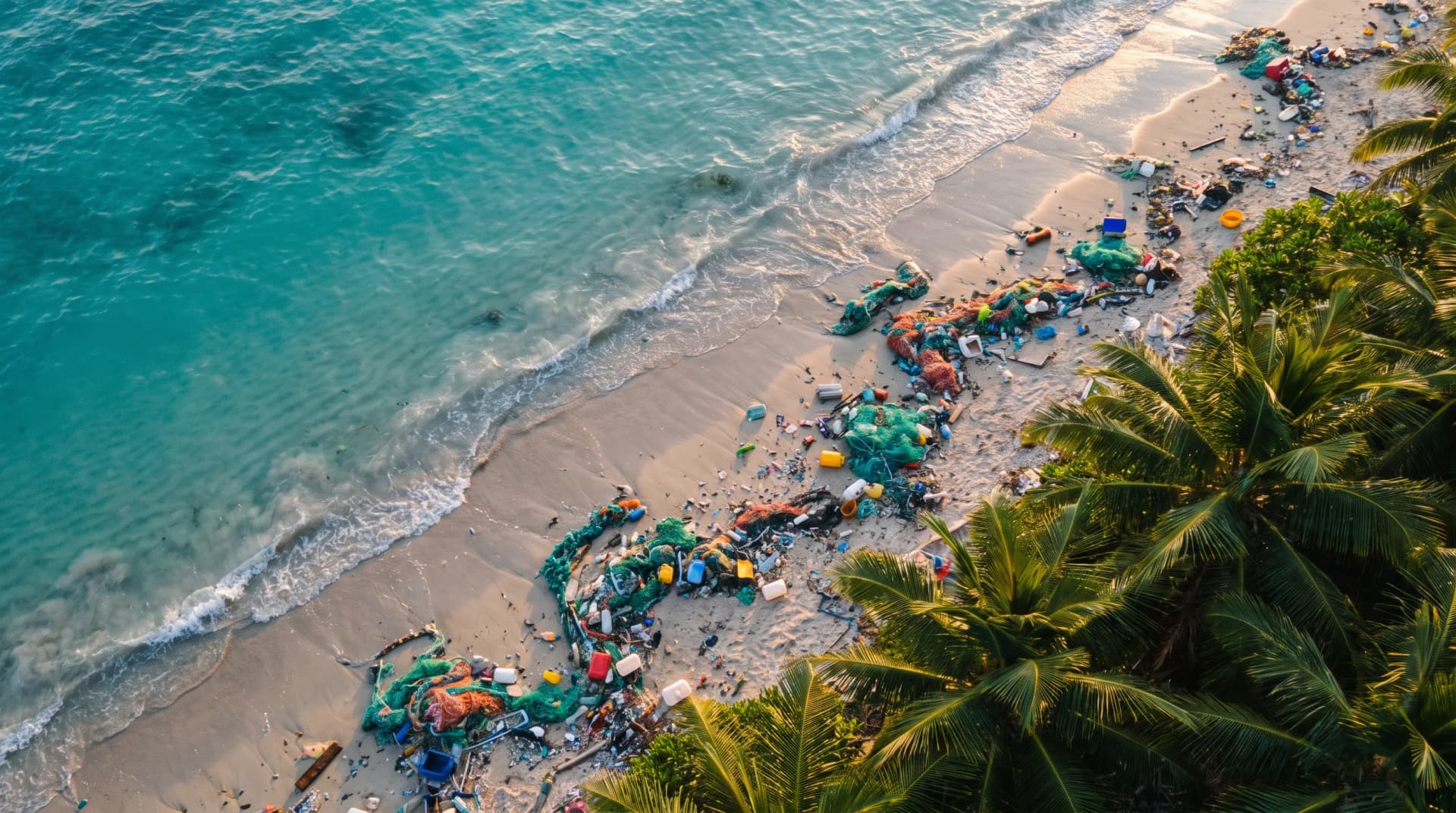
By 2027, the world will have produced well over 10 billion metric tons of plastic since mass production began, and a growing share of it is no longer visible. Sunlight, heat and friction break everyday plastic into microplastics (fragments under 5 mm) and nanoplastics, which now turn up in drinking water, food, air, soil and the human body.
Here is a data-driven look at where the damage is heading in 2027: what researchers have already measured in people and ecosystems, how those numbers are projected to grow, and what changes when petroleum plastic is replaced with PHA, a bioplastic that fully biodegrades.
What Science Has Already Found Inside the Human Body
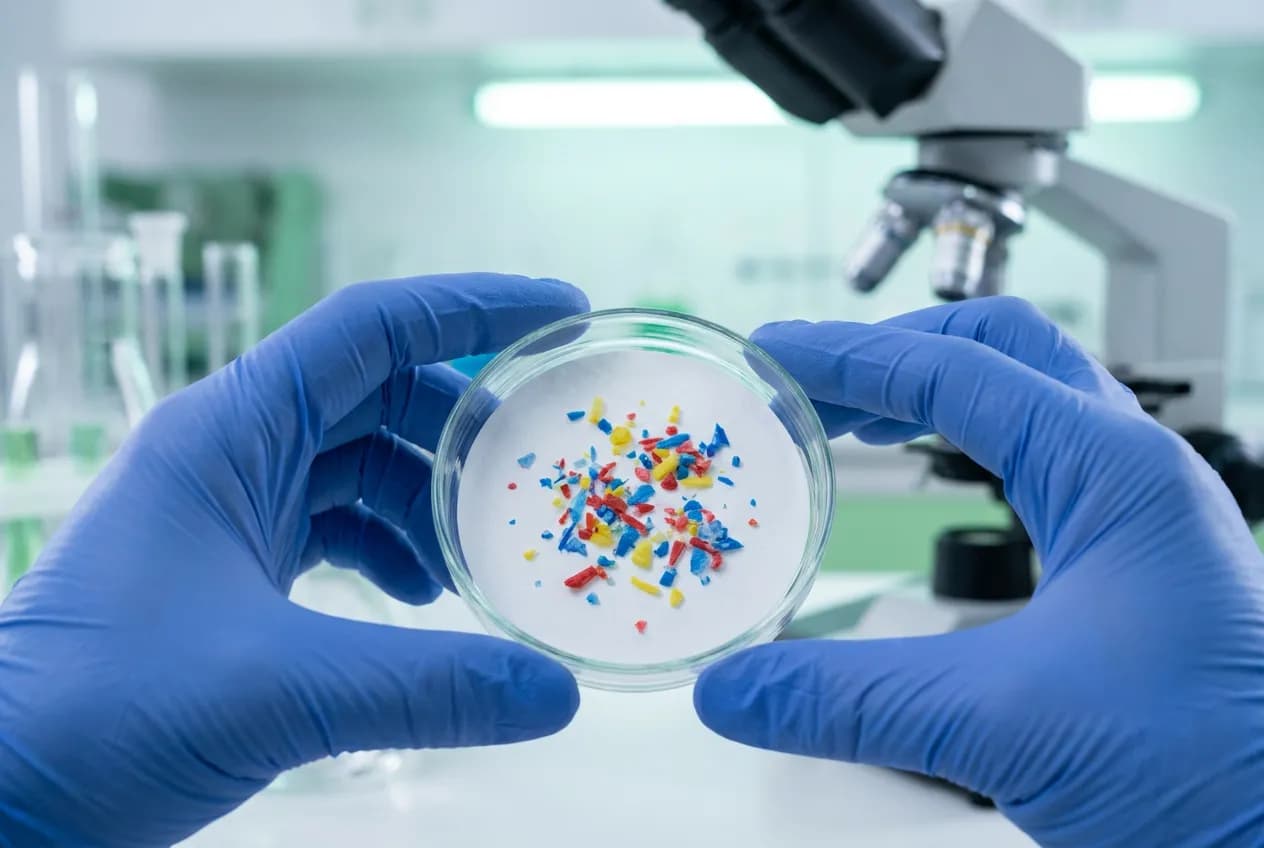
Microplastics have been detected in human blood (in 17 of 22 donors in a 2022 Vrije Universiteit Amsterdam study), in placentas, lungs, breast milk and testes. A 2024 New England Journal of Medicine study found that patients with micro and nanoplastics in their carotid artery plaque had about 4.5 times the risk of heart attack, stroke or death over the next 34 months. A 2025 Nature Medicine study reported that human brain tissue contained far more plastic particles than liver or kidney tissue, and that brain samples from 2024 held roughly 50% more than samples from 2016.
Studies estimate that the average person ingests tens of thousands of microplastic particles every year through food, water and air, and far more once bottled water is included. Because exposure has been rising alongside production, the 2027 projection is a higher body burden for every age group, with the greatest concern for infants, whose bottles, toys and household dust expose them proportionally more.
460 million tons
Plastic produced worldwide each year, and production is still climbing (OECD).
Under 10%
Share of all plastic ever made that has been recycled. The rest is landfilled, burned or lost to the environment.
17 of 22
Blood donors with plastic particles detected in a landmark 2022 human blood study.
The Ocean Burden: Where the Numbers Are Heading in 2027
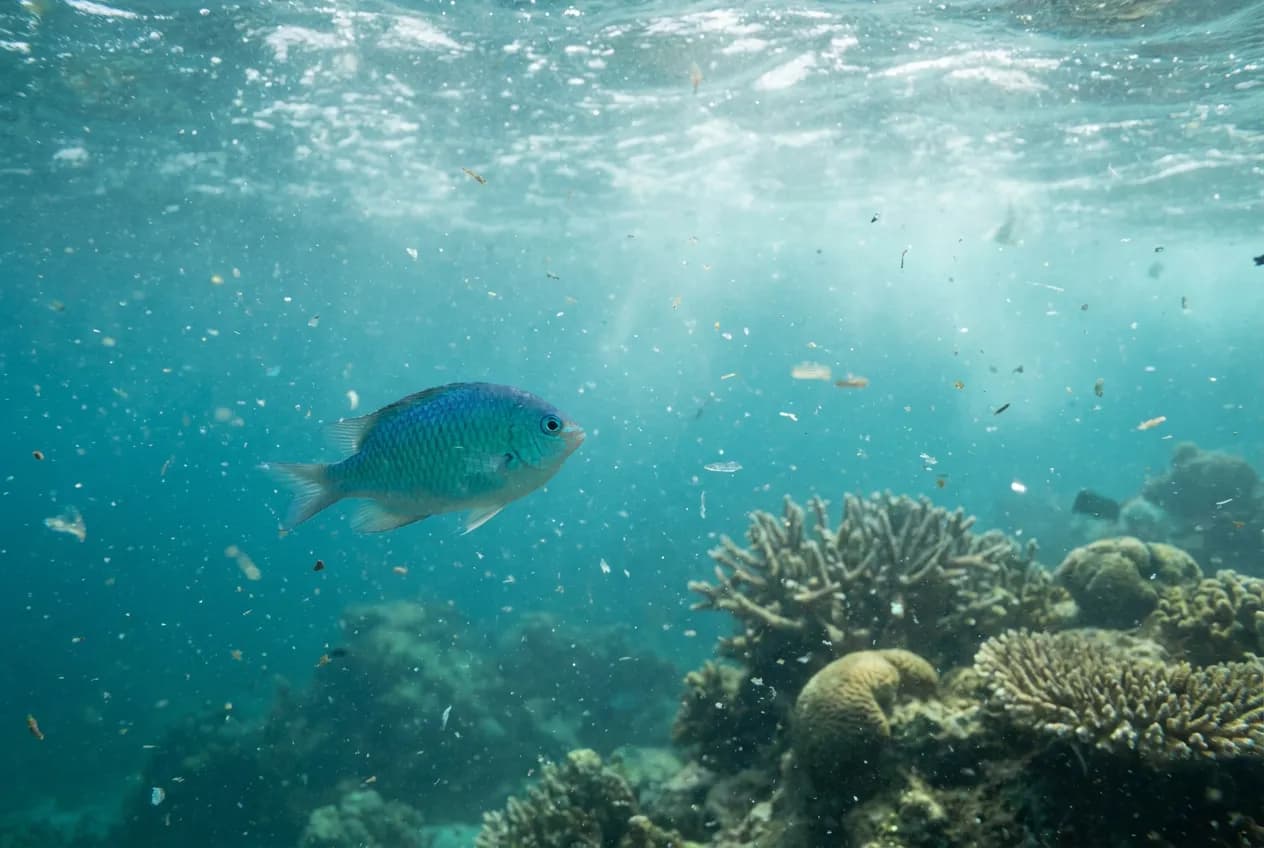
Roughly 11 million metric tons of plastic enter the ocean every year, and the Pew Charitable Trusts projects that figure could nearly triple to 29 million tons annually by 2040 without action. A 2023 study estimated that about 170 trillion plastic particles already float on the ocean surface, and that the count rose sharply after 2005. By 2027, even if every spill stopped today, existing debris would keep fragmenting into trillions more microparticles.
Marine animals mistake these particles for food. Microplastics have been found in plankton, shellfish, fish and seabirds, and they carry absorbed toxins up the food chain to the seafood on our plates. Coral reefs, already stressed by warming, show lower feeding and growth rates when exposed to plastic particles.
Soil, Crops and Freshwater: The Hidden Land Impact
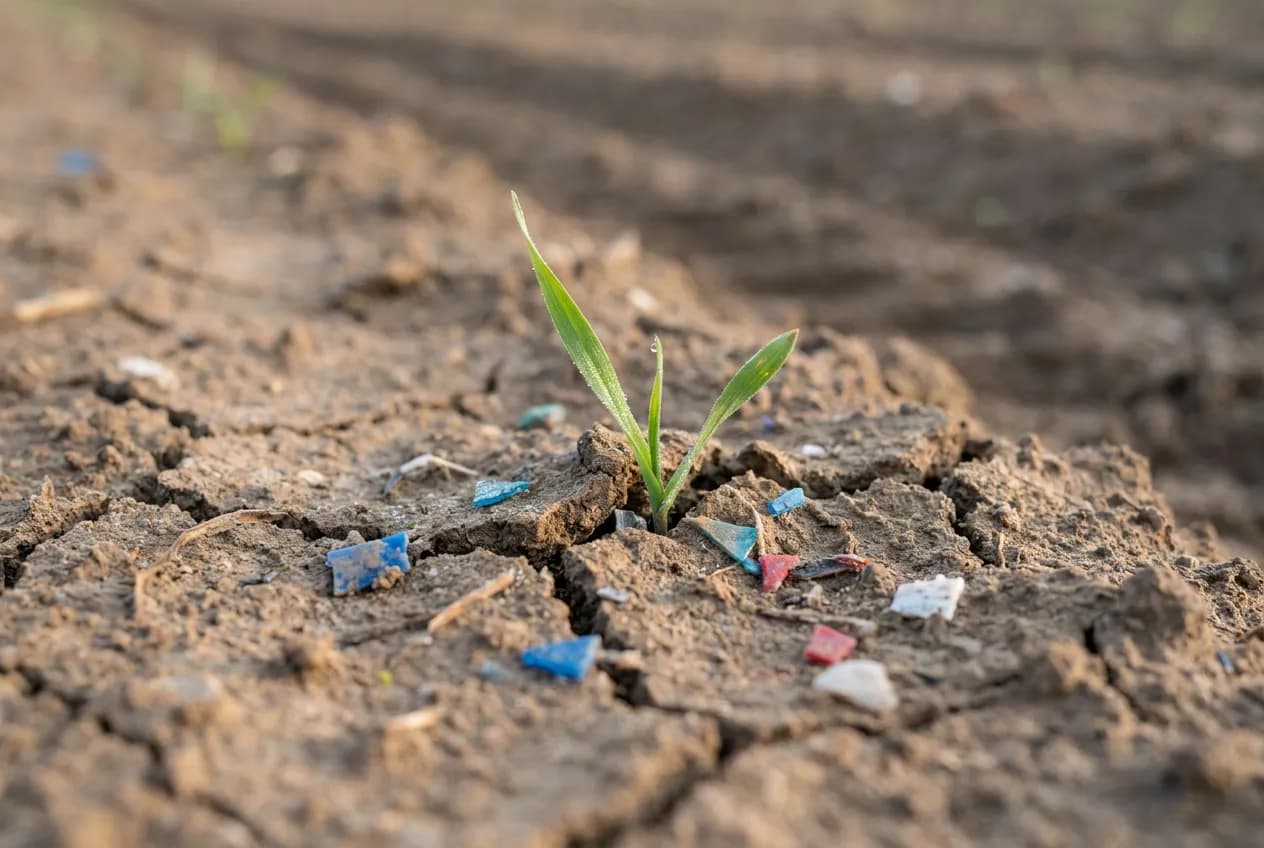
Land holds far more microplastic than the ocean. Some estimates suggest that agricultural soils receive 4 to 23 times more microplastic than the oceans do, from sewage sludge, plastic mulch film, compost and tire dust. Studies show that plastic particles in soil can reduce earthworm growth, change soil structure and water retention, and in some experiments lower crop yields.
Through 2027, continued landfilling and plastic mulching mean this contamination keeps building. Plastic is not removed from farmland once it fragments. It stays, and so do the additives it leaches, including phthalates and bisphenols that are known endocrine disruptors.
The 2027 Outlook: Why the Trend Matters Now
The OECD projects global plastic waste will nearly triple by 2060 to over 1 billion metric tons a year if current policy holds. Because microplastics accumulate faster than they clear, 2027 sits on the steep part of that curve: more particles in the environment, more in the food supply, and more measured in people than at any point in history. Health systems and regulators are only beginning to price in the cost.
Note that these figures are estimates and projections based on published research. Exact numbers vary by study and method, and long-term health outcomes are still being studied. What is consistent across the evidence is the direction: exposure is rising, and it is persistent.
What Changes With PHA: Packaging That Does Not Leave Microplastics Behind
PHA (polyhydroxyalkanoate) is a bioplastic made by bacteria from plant oils and organic waste. Unlike petroleum plastic, it is fully biodegradable in soil, freshwater, marine and home compost environments, so it does not fragment into persistent microplastics. Every straw, cup, utensil, bottle or container that switches from conventional plastic to PHA is one that cannot add to the particle load described above.
Pure Form Solution supplies PHA straws, utensils, cups and lids, bottles, containers and more that match the performance of conventional plastic. Cutting the source is the only lasting way to bend the 2027 curve downward, and businesses that switch now also get ahead of tightening plastic regulations.
Sources: OECD Global Plastics Outlook; Pew Charitable Trusts, Breaking the Plastic Wave; Leslie et al., Environment International (2022); Marfella et al., New England Journal of Medicine (2024); Nihart et al., Nature Medicine (2025); Eriksen et al., PLOS ONE (2023).