
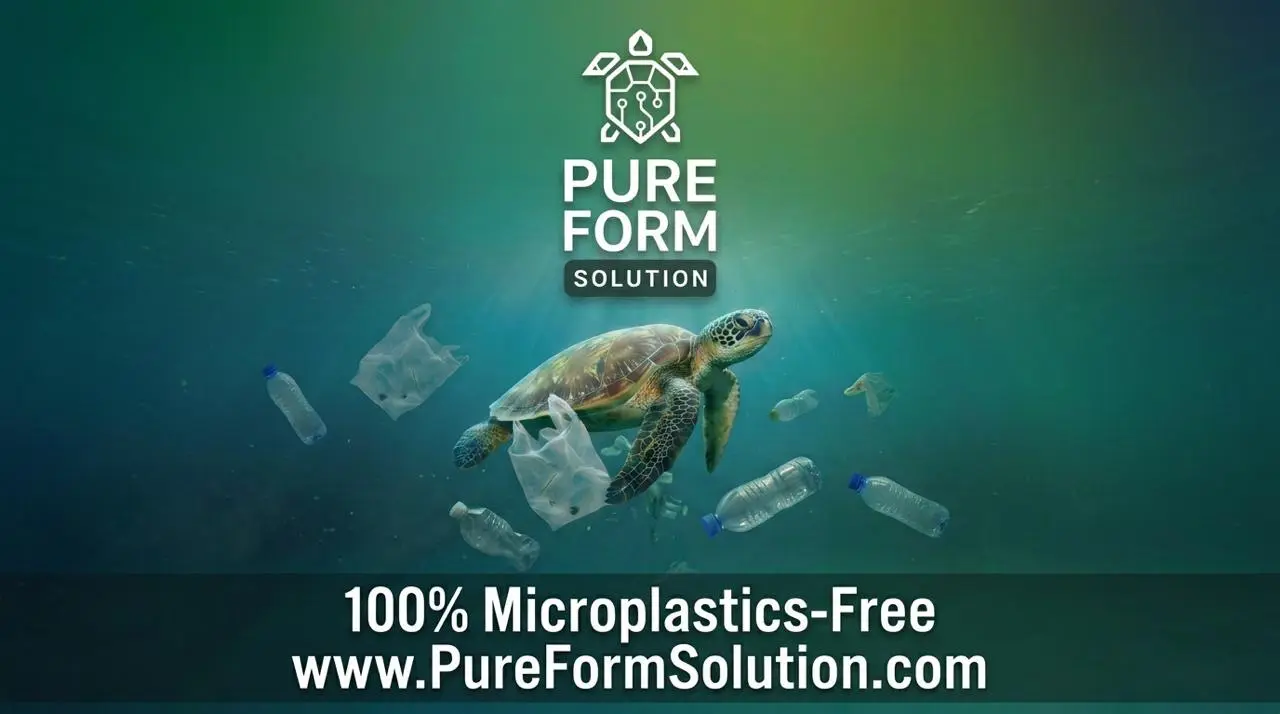
The growing concern over plastic pollution has sparked an urgent need for alternatives that align with environmental priorities. Biodegradable straws have emerged as a practical response, designed to address the long-lasting damage caused by traditional plastic — straws that can persist for centuries and break down into microplastics that infiltrate every corner of our ecosystems.
Crafted from renewable resources, biodegradable straws offer an opportunity to transition away from petroleum-based materials notorious for contributing to pollution and releasing harmful substances. Their innovative design ensures they function just as effectively as traditional straws, while offering a significantly reduced footprint. This shift is particularly important in the context of single-use plastics — items that have become a focal point of environmental reform due to their ubiquitous presence in oceans and landfills.
Environmental Impact of Plastic Straws
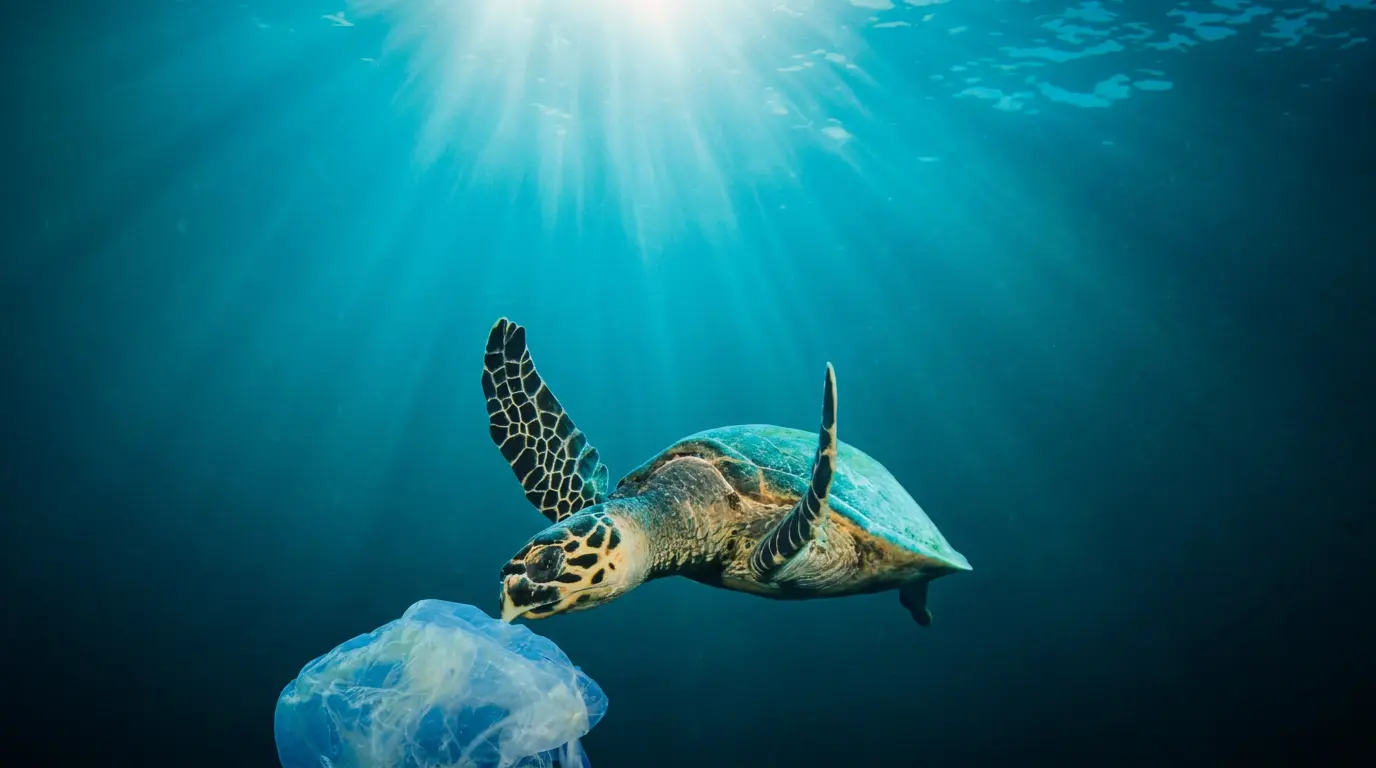
Plastic straws play a disproportionately harmful role in the growing crisis of global plastic pollution. Due to their small size and lightweight nature, they often evade recycling systems, ending up in waterways and eventually the ocean. Here, they degrade into microplastics that are nearly impossible to remove and persist in the environment for decades — absorbing toxins, becoming carriers of harmful substances, and contaminating marine ecosystems at every level.
Marine life suffers significantly from the presence of plastic straws. Sea turtles, fish, and seabirds frequently mistake fragments for food. This ingestion can lead to blockages, malnutrition, and internal injuries. As microplastics work their way through the food chain, they pose risks not only to marine animals but also to the humans who consume seafood.
Marine life ingestion
Sea turtles and seabirds mistake plastic fragments for food, causing internal damage and malnutrition.
8M+ tons annually
Over 8 million tons of plastic enter the ocean each year — straws contribute significantly to this total.
Coastal economies
Beaches littered with plastic deter tourism and require costly cleanup efforts for coastal communities.
Pure Form Solution's Straw Innovation
Pure Form Solution has revolutionized the way we think about single-use drinkware with their uniquely designed biodegradable straws. These straws are crafted from a blend of sugarcane and calcium-containing resin, offering a clean alternative to traditional plastics. Unlike petroleum-based materials, which pose both environmental and health risks, these straws are completely free of harmful synthetic compounds.
A standout feature of Pure Form's innovation lies in their materials' natural origins. By utilizing renewable sugarcane, they ensure a production process that reduces reliance on finite fossil fuels. Additionally, the incorporation of calcium within the resin not only enhances durability but also supports marine ecosystems if the straws find their way into the ocean — a direct contrast to the toxic breakdown products of conventional plastic.
Whether paired with acidic juices, carbonated beverages, or milk, Pure Form straws maintain their integrity without leaching unwanted substances — making them a safer and healthier choice for consumers, aligning with the increasing demand for products that prioritize both sustainability and well-being.
Manufacturing Process
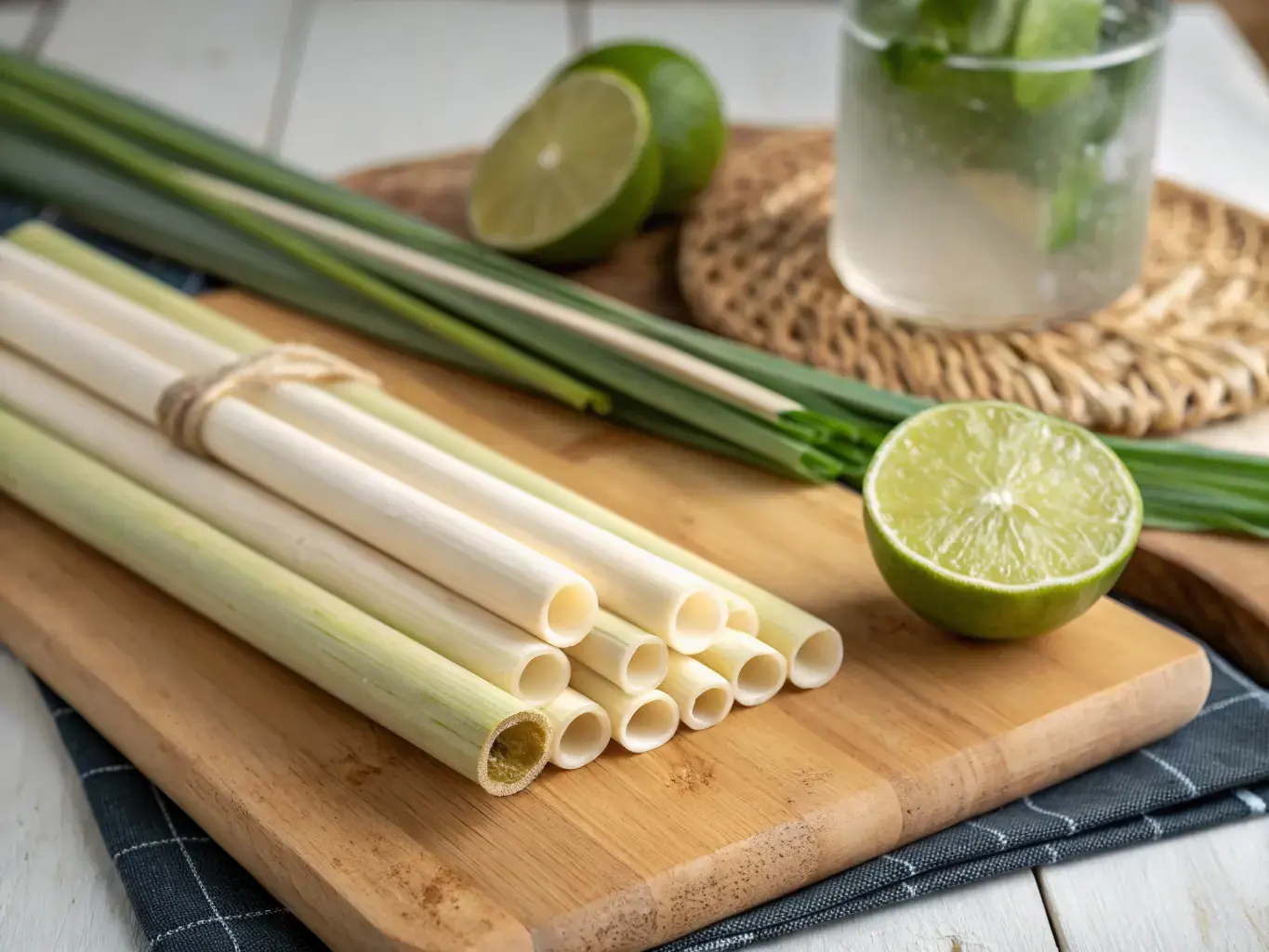
The manufacturing process for Pure Form Solution's biodegradable straws is centered on sustainability and efficiency, utilizing renewable sugarcane as the primary material. The process begins with extracting sugarcane fibers, which are then combined with a specialized calcium-containing resin to create a material that is both durable and environmentally friendly. By eliminating petroleum-based inputs, this method avoids the emissions and environmental degradation commonly associated with traditional plastic production.
Throughout the production stages, energy consumption and waste generation are carefully monitored and minimized. The use of renewable resources like sugarcane not only supports the production of compostable straws but also helps reduce dependence on non-renewable fossil fuels, contributing to broader environmental goals.

Advantages of Using Compostable Straws
Compostable straws offer a practical and sustainable alternative to conventional plastic, meeting the needs of both consumers and the environment. Here's where they deliver real value:
- 01
No chemical leaching
Unlike plastic, which can release toxins into beverages — especially under heat — compostable materials are free from synthetic additives that could compromise safety.
- 02
Renewable material composition
Crafted from sugarcane, they avoid petroleum-based plastics that contribute to pollution and pose long-term health risks.
- 03
Functional durability
Designed to withstand cold drinks, acidic juices, and carbonated beverages without softening or breaking apart — unlike paper straws.
- 04
Business and brand alignment
Offering compostable straws signals environmental accountability to customers and positions businesses ahead of regulatory trends.
- 05
Reduced waste management burden
Since they break down in composting environments, they avoid contributing to the long-term waste buildup that traditional plastics create in landfills and oceans.
End-of-Life Benefits
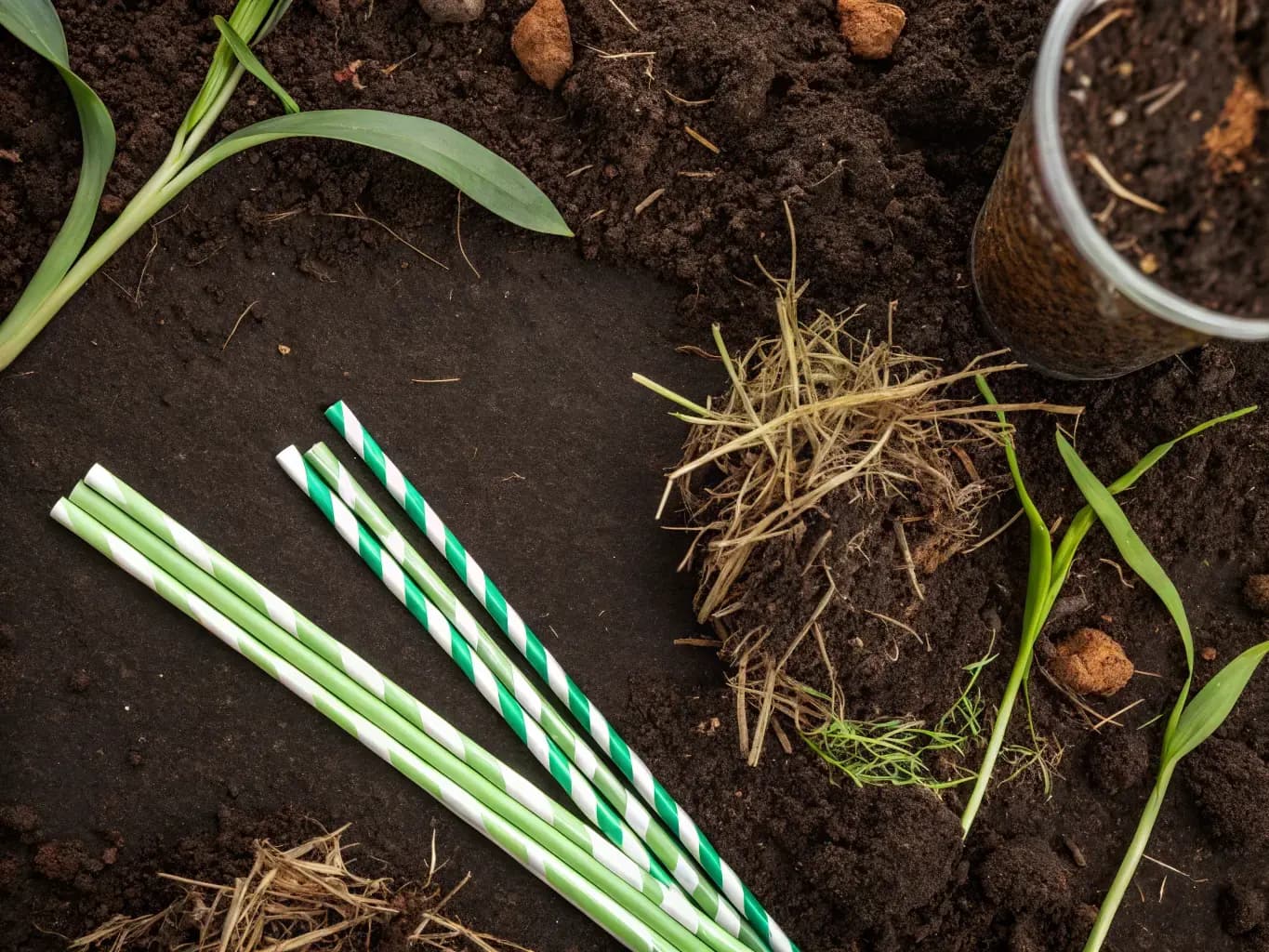
Compostable straws, such as those developed by Pure Form Solution, are designed with an end-of-life strategy that prioritizes environmental benefits and resource efficiency. Unlike conventional plastic straws that persist for centuries in landfills or the ocean, these straws naturally decompose in industrial composting environments, breaking down into organic materials that enrich the soil without leaving harmful residues.
Pure Form Solution extends the lifecycle of their products through an innovative recovery program, ensuring used straws are repurposed into secondary materials rather than discarded. One such application is their conversion into high-quality 3D printing material — demonstrating the potential for these straws to re-enter the manufacturing cycle in entirely new forms. Additionally, the material composition allows them to be processed into nutrient-rich animal feed, providing a sustainable resource for agricultural use.
The calcium-enriched resin used in the straws offers further ecological advantages. If these straws inadvertently end up in marine environments, they avoid the toxic effects of plastic pollution — the trace calcium can even provide a slight benefit to aquatic ecosystems, minimizing their impact compared to petroleum-based plastics.
Comparing Cost and Durability
When evaluating the cost of compostable straws, it's important to consider their broader impact beyond the initial price. While they may carry a higher upfront expense compared to conventional plastic options, their long-term value lies in mitigating the environmental and health costs associated with plastic waste. For businesses, this shift can also enhance brand loyalty and market positioning among increasingly sustainability-conscious consumers.
From a durability perspective, compostable straws perform reliably across various beverage applications. Advancements in material science — such as the inclusion of calcium-enriched resin — enhance performance without compromising eco-friendly design. Unlike paper straws, which often become soggy during use, compostable options from Pure Form Solution offer a more durable and reliable alternative.
As the adoption of compostable materials increases, production efficiencies improve — gradually reducing costs over time and making the transition to environmentally responsible options more feasible for both small and large businesses alike.
Consumer and Business Adoption
The integration of biodegradable straws into daily use is steadily gaining traction among environmentally conscious consumers and forward-thinking businesses. Biodegradable straws offer a straightforward solution to meet growing expectations — from small cafes to large-scale food service operations.
Businesses are finding that offering biodegradable straws can be a strategic decision that goes beyond environmental benefits. By aligning with growing consumer demand for sustainable alternatives, companies can improve brand perception and build stronger relationships with customers who value eco-friendly initiatives. In addition, as governments worldwide implement stricter rules on single-use plastics, having alternatives like compostable straws readily available positions companies to comply with mandates seamlessly and avoid last-minute operational disruptions.
Community-driven initiatives and educational campaigns that highlight the detrimental effects of plastic straws — paired with the practical benefits of biodegradable options — are driving adoption at the grassroots level and accelerating this change across sectors.
Challenges and Solutions
Biodegradable straws offer significant environmental advantages, but widespread adoption is not without obstacles. Key challenges — and how the industry is addressing them:
Challenge
Higher production costs
Solution
Economies of scale are gradually driving down manufacturing costs as demand grows, making these products more accessible over time.
Challenge
Limited composting infrastructure
Solution
Investments in waste management solutions paired with consumer education about proper disposal are bridging this gap.
Challenge
Consumer misconceptions about performance
Solution
Product education and transparent communication about material benefits — including resistance to softening — build confidence in functionality.
Challenge
Supply chain reliability
Solution
Collaborating with manufacturers and suppliers to establish stable, scalable distribution channels prevents operational disruptions.
Conclusion and Future Prospects
The adoption of compostable straws represents a critical evolution in reducing our dependence on single-use plastics. As industries and consumers shift toward more sustainable practices, biodegradable options like those from Pure Form Solution provide a pathway to address both environmental and health concerns effectively.
Looking ahead, advancements in material science and manufacturing processes will continue to refine the quality and accessibility of compostable straws. Businesses that proactively integrate biodegradable materials into their operations will not only remain compliant with emerging regulations but also position themselves as leaders in environmental responsibility — a positioning that increasingly drives customer loyalty.
The future of drinkware innovation lies in expanding these principles across a broader range of applications. By prioritizing renewable resources and designing products with end-of-life solutions in mind, companies like Pure Form Solution are setting a precedent for what is possible in eco-conscious manufacturing.
Ultimately, compostable straws are more than a product — they are a symbol of progress toward a healthier relationship with the planet. Through collaboration, innovation, and education, they serve as a foundation for ongoing efforts to minimize waste and protect ecosystems for future generations.
Explore Pure Form Solution Products